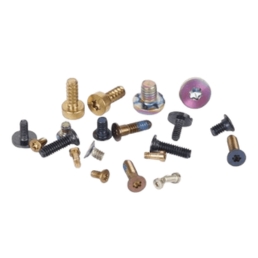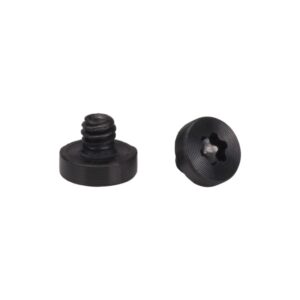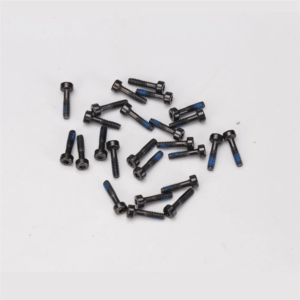
In the world of manufacturing and engineering, precision screws play a pivotal role in ensuring the stability and functionality of various assemblies. These tiny yet crucial components are not only defined by their size and shape but also by the surface finishes applied to them. Surface finishes are essential as they enhance the performance, durability, and aesthetic appeal of precision screws. This article delves into the diverse surface finish options available for precision screws, highlighting their benefits and applications.
Table of Contents
1. Polished Finish: A Shiny Path to Enhanced Performance:
A polished finish is achieved by buffing the surface of the screw to a high sheen, resulting in a smooth and reflective appearance. This finish is not merely for aesthetics; it serves several practical purposes. Firstly, a polished surface reduces friction, facilitating easier insertion and removal of the screw. This is particularly beneficial in applications where frequent adjustments are required, such as in musical instruments or precision machinery.
Moreover, polished finishes are resistant to corrosion and wear, extending the lifespan of the screw. The smooth surface prevents the accumulation of dirt and debris, which can cause abrasion and damage over time. In environments where cleanliness is paramount, such as in medical devices or food processing equipment, polished screws are a preferred choice due to their ease of cleaning and maintenance.
2. Anodized Finish: A Protective Layer Against the Elements:
Anodizing is an electrochemical process that thickens and toughens the naturally occurring protective oxide on the surface of metal screws, typically aluminum. This finish not only enhances the screw’s resistance to corrosion and wear but also provides a wide range of color options, allowing for customization and branding.
Anodized screws are commonly used in outdoor applications, where they are exposed to harsh weather conditions and potential chemical exposure. The protective oxide layer acts as a barrier, preventing the underlying metal from reacting with the environment. Additionally, anodized finishes improve the adhesion of paints and adhesives, making them suitable for applications where additional coatings are required.
3. Passivated Finish: A Shield Against Rust and Corrosion:
Passivation is a chemical treatment process that removes free iron from the surface of stainless steel screws, forming a thin, transparent oxide film. This film acts as a passive layer, protecting the screw from rust and corrosion. Passivated screws are ideal for use in environments where moisture and chemicals are prevalent, such as in marine applications or chemical processing plants.
The passivation process not only enhances the corrosion resistance of the screw but also improves its aesthetic appearance by removing surface contaminants and discoloration. Passivated screws maintain their shine and luster over time, even under challenging conditions, making them a reliable choice for long-lasting assemblies.
4. Black Oxide Finish: A Stealthy Approach to Corrosion Resistance:
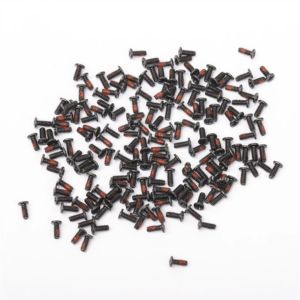
Black oxide finish, also known as bluing, is a chemical conversion coating applied to steel screws to improve their corrosion resistance and reduce light reflection. This finish is achieved by immersing the screw in a hot alkaline solution containing sodium hydroxide and nitrate or nitrite salts, which reacts with the iron on the surface to form a black iron oxide layer.
Black oxide screws are commonly used in applications where a low-reflective surface is desired, such as in military equipment or optical instruments. The finish provides excellent corrosion resistance, particularly in humid environments, and helps to prevent galvanic corrosion when used in conjunction with other metals. Additionally, black oxide finishes are relatively inexpensive and easy to apply, making them a cost-effective solution for many applications.
5. Zinc Plating: A Versatile and Cost-Effective Option:
Zinc plating involves depositing a thin layer of zinc onto the surface of the screw through an electrochemical process. This finish provides excellent corrosion resistance, as zinc acts as a sacrificial anode, corroding preferentially to the underlying metal. Zinc-plated screws are suitable for use in a wide range of environments, from indoor applications to moderately corrosive outdoor settings.
One of the key advantages of zinc plating is its versatility. The finish can be further enhanced with chromate conversion coatings, which provide additional protection against corrosion and improve paint adhesion. Zinc-plated screws are also available in a variety of colors, including clear, yellow, black, and olive drab, allowing for customization to meet specific aesthetic requirements.
6. Nickel Plating: A Durable and Attractive Choice:
Nickel plating involves depositing a layer of nickel onto the surface of the screw, providing excellent corrosion resistance, wear resistance, and aesthetic appeal. Nickel-plated screws are commonly used in applications where a high-quality finish is required, such as in consumer electronics, automotive components, and decorative hardware.
The nickel layer acts as a barrier, preventing the underlying metal from reacting with the environment. Additionally, nickel plating improves the hardness and durability of the screw, making it more resistant to scratches and abrasion. Nickel-plated screws are also hypoallergenic, making them suitable for use in medical devices and jewelry where skin contact is a concern.
7. Conclusion: Choosing the Right Surface Finish for Your Precision Screws:
Selecting the appropriate surface finish for precision screws is crucial to ensure optimal performance, durability, and aesthetic appeal. Each finish option offers unique benefits and is suited to specific applications and environments. By understanding the characteristics and advantages of each finish, manufacturers and engineers can make informed decisions when selecting screws for their assemblies.
Whether it’s a polished finish for reduced friction, an anodized finish for corrosion resistance and color customization, or a nickel-plated finish for durability and aesthetic appeal, there is a surface finish option to meet every need. By choosing the right finish, precision screws can contribute to the overall success and longevity of the assemblies they are a part of.