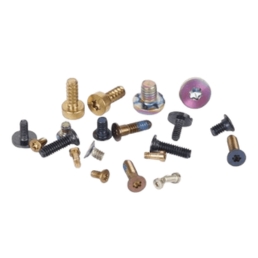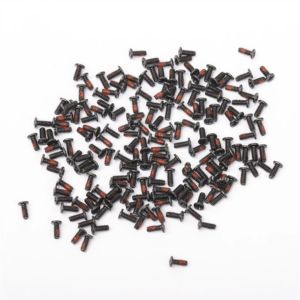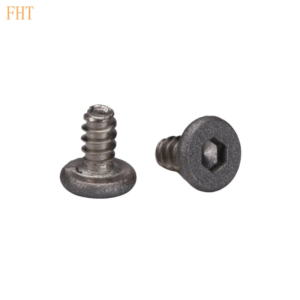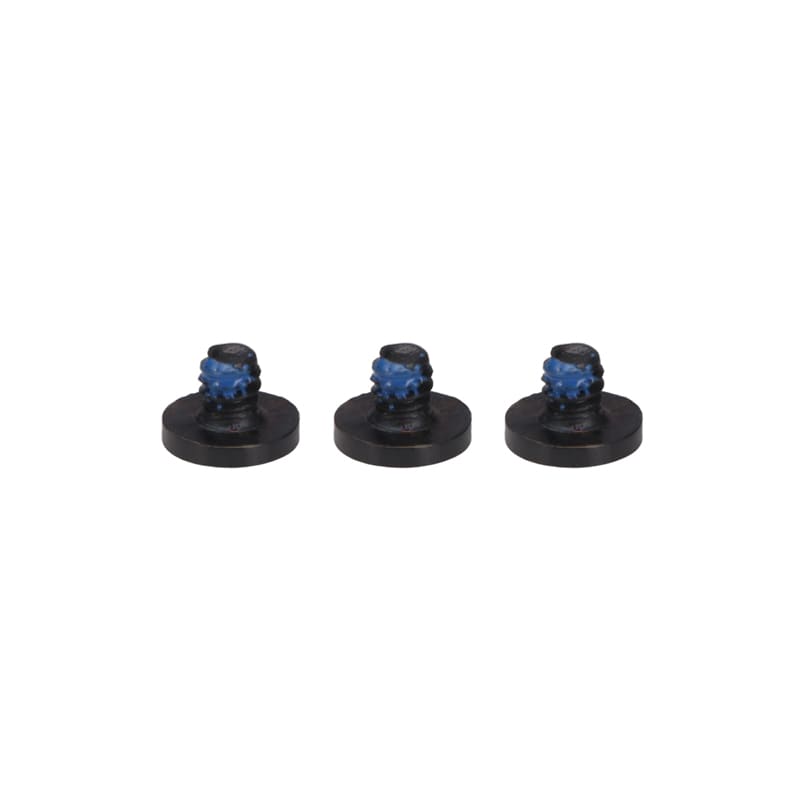
In the world of manufacturing, precision screws play a crucial yet often underappreciated role. These tiny components are the unsung heroes that hold together everything from delicate electronic devices to massive industrial machinery. As technology advances and industries demand ever – higher levels of precision and quality, the field of precision screw manufacturing has witnessed a wave of exciting innovations.
Table of Contents
1. Advanced Material Selection:
Traditionally, precision screws were mainly made from common metals like steel and brass. However, modern manufacturing has opened up a whole new realm of material possibilities. Manufacturers are now exploring the use of high – performance alloys that offer superior strength, corrosion resistance, and heat tolerance. For instance, titanium alloys are being increasingly employed in applications where weight reduction and high strength are critical, such as in aerospace and high – end medical devices.
Another innovative material approach is the use of composite materials. By combining different materials at a microscopic level, manufacturers can create screws with unique properties. Some composites can provide excellent electrical insulation while maintaining mechanical strength, making them ideal for use in electronic assemblies where preventing short – circuits is essential.
2. Computer – Aided Design and Simulation:
The days of relying solely on manual drafting and trial – and – error methods for screw design are long gone. Computer – aided design (CAD) software has revolutionized the way precision screws are conceptualized. Designers can now create highly detailed 3D models of screws, allowing for precise control over every aspect of their geometry, from thread pitch to head shape.
Simulation tools have also become an integral part of the design process. Before a single screw is manufactured, engineers can use finite element analysis (FEA) to simulate the stresses and strains that the screw will experience under different operating conditions. This helps in optimizing the design to ensure maximum strength and durability while minimizing material usage. For example, by simulating the load – bearing capacity of a screw in a specific joint, designers can adjust the thread profile to distribute the stress more evenly, reducing the risk of failure.
3. Precision Machining Techniques:
The actual manufacturing of precision screws has seen significant advancements in machining techniques. One such innovation is the use of multi – axis CNC (Computer Numerical Control) machines. These machines can move the cutting tool along multiple axes simultaneously, allowing for the creation of complex screw geometries with extremely high precision. Unlike traditional lathes that were limited to basic cylindrical shapes, multi – axis CNC machines can produce screws with non – standard head shapes, multiple threads, and intricate internal features.
Another precision machining technique that has gained popularity is electrical discharge machining (EDM). EDM uses electrical sparks to erode material from the workpiece, enabling the production of very small and precise features that would be difficult or impossible to achieve with conventional cutting tools. This method is particularly useful for manufacturing screws with extremely fine threads or small – diameter holes.
4. Automated Quality Control:
Ensuring the quality of precision screws is of utmost importance, as even the slightest deviation from specifications can lead to performance issues in the final product. To address this, manufacturers have implemented automated quality control systems. These systems use advanced sensors and imaging technology to inspect screws at various stages of the manufacturing process.
For example, optical inspection systems can quickly and accurately measure the dimensions of a screw, such as its diameter, length, and thread pitch. They can also detect surface defects like scratches or burrs. In addition, some systems use X – ray or ultrasonic testing to check for internal flaws that might not be visible on the surface. By automating the quality control process, manufacturers can not only improve the accuracy and consistency of their inspections but also increase production efficiency by reducing the need for manual inspection.
5. Sustainable Manufacturing Practices:
In today’s environmentally conscious world, sustainability has become a key consideration in all manufacturing processes, including precision screw production. Manufacturers are adopting a range of sustainable practices to reduce their environmental impact. One approach is to optimize material usage through better design and manufacturing techniques. By minimizing waste during the production of screws, manufacturers can reduce the amount of raw materials needed and lower their carbon footprint.
Another sustainable practice is the use of renewable energy sources in the manufacturing facilities. Many screw manufacturers are investing in solar panels or wind turbines to power their operations, reducing their reliance on fossil fuels. Additionally, some are implementing recycling programs to recover and reuse materials such as metal shavings and scrap pieces generated during the manufacturing process.
6. Customization and On – Demand Production:
With the rise of e – commerce and the increasing demand for personalized products, precision screw manufacturers are also adapting to offer more customization options. Customers can now specify unique requirements for their screws, such as non – standard sizes, materials, or finishes. Manufacturers are using advanced production technologies to meet these customized demands efficiently.
On – demand production is another emerging trend. Instead of maintaining large inventories of standard screws, manufacturers can produce screws as and when they are ordered. This not only reduces inventory costs but also allows for faster response times to customer needs. By leveraging digital manufacturing technologies and flexible production lines, manufacturers can quickly switch between different screw designs and produce small batches cost – effectively.
In conclusion, the field of precision screw manufacturing is constantly evolving, driven by technological advancements and changing market demands. From advanced material selection to sustainable practices and customization options, these innovations are not only improving the quality and performance of precision screws but also shaping the future of the manufacturing industry as a whole. As industries continue to push the boundaries of what is possible, we can expect to see even more exciting developments in precision screw manufacturing in the years to come.