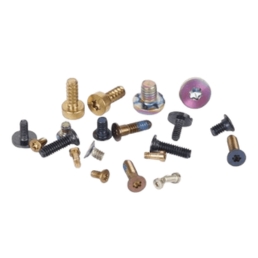
When it comes to mechanical assemblies and manufacturing processes, precision screws play a pivotal role. These tiny yet crucial components are responsible for holding structures together, ensuring stability, and facilitating smooth operations. However, selecting the right precision screw is not as straightforward as it may seem. Many individuals, even experienced professionals, make common mistakes that can lead to costly errors, reduced efficiency, and potential safety hazards. This article delves into these prevalent errors in precision screw selection, providing insights to help readers make informed decisions.
Table of Contents
1. Misunderstanding Material Specifications:
One of the most fundamental aspects of precision screw selection is understanding the material from which the screw is made. Different materials offer varying degrees of strength, corrosion resistance, and thermal stability. A common mistake is choosing a screw material based solely on its cost or availability, without considering the specific requirements of the application.
For instance, in environments with high humidity or exposure to corrosive substances, selecting a screw made from a non-corrosive material like stainless steel is essential. Opting for a cheaper, less resistant material may save money initially but can lead to premature failure and costly replacements down the line. Similarly, in high-temperature applications, screws made from materials with low melting points or poor thermal conductivity can deform or lose their structural integrity, compromising the entire assembly.
2. Overlooking Thread Type and Pitch:
The thread type and pitch of a precision screw are critical factors that determine its compatibility with the mating components and its overall performance. Thread type refers to the shape and profile of the threads, such as metric, unified, or acme threads, each designed for specific applications. Pitch, on the other hand, refers to the distance between adjacent threads and affects the screw’s ability to transmit force and resist loosening.
A common oversight is selecting a screw with the wrong thread type or pitch, leading to poor fit, increased friction, and potential damage to the threads. For example, using a metric screw in a unified thread hole can result in cross-threading, making it difficult to assemble or disassemble the components. Similarly, choosing a screw with a coarse pitch when a fine pitch is required can reduce the precision and stability of the assembly, especially in applications where tight tolerances are crucial.
3. Ignoring Load Capacity and Stress Analysis:
Precision screws are subjected to various forces and stresses during operation, including tension, compression, shear, and torsion. Failing to consider the load capacity and stress distribution of the screw can lead to overloading, fatigue, and eventual failure. It is essential to perform a thorough stress analysis to determine the maximum load the screw can withstand without deforming or breaking.
A common mistake is selecting a screw based on its nominal diameter alone, without considering its length, material properties, and the nature of the applied load. For instance, a short screw may not be able to handle the same tensile load as a longer screw of the same diameter, due to differences in stress concentration and distribution. Additionally, ignoring the effects of dynamic loads, such as vibrations or impact forces, can lead to premature failure, even if the static load capacity appears sufficient.
4. Neglecting Environmental Factors:
The operating environment of a precision screw can significantly impact its performance and lifespan. Factors such as temperature, humidity, chemical exposure, and UV radiation can all affect the screw’s material properties, corrosion resistance, and mechanical integrity. Neglecting these environmental factors when selecting a screw can lead to unexpected failures and costly repairs.
For example, in outdoor applications exposed to sunlight and rain, selecting a screw with poor UV resistance can cause the material to degrade over time, leading to cracking or brittleness. Similarly, in chemical processing plants where screws are exposed to corrosive substances, choosing a screw with inadequate corrosion resistance can result in rapid deterioration and loss of functionality. It is crucial to consider the specific environmental conditions and select a screw that can withstand them without compromising performance.
5. Failing to Consider Assembly and Maintenance Requirements:
The ease of assembly and maintenance is often overlooked when selecting precision screws, yet it can have a significant impact on the overall efficiency and cost-effectiveness of the operation. Screws that are difficult to install or remove can increase labor costs, reduce productivity, and increase the risk of damage to the components during assembly or disassembly.
A common mistake is choosing a screw with a complex head design or a specialized tool requirement, without considering the availability of those tools or the skill level of the assembly personnel. Similarly, selecting a screw that requires frequent tightening or lubrication can increase maintenance costs and downtime. It is essential to choose screws that are easy to handle, install, and maintain, with standard head designs and tool requirements, to streamline the assembly process and reduce long-term costs.
6. Overlooking Certification and Compliance Standards:
In many industries, precision screws must meet specific certification and compliance standards to ensure safety, reliability, and interoperability. Failing to consider these standards when selecting screws can result in non-compliance issues, legal liabilities, and potential safety hazards.
For instance, in the aerospace or automotive industries, screws must meet stringent quality and performance standards to ensure the safety and reliability of the vehicles. Using non-certified screws in these applications can lead to catastrophic failures and severe consequences. It is crucial to verify that the selected screws comply with relevant industry standards and certifications before incorporating them into the assembly.
In conclusion, selecting the right precision screw requires careful consideration of various factors, including material specifications, thread type and pitch, load capacity, environmental factors, assembly and maintenance requirements, and certification and compliance standards. By avoiding these common mistakes and making informed decisions, individuals and organizations can ensure the reliability, efficiency, and safety of their mechanical assemblies and manufacturing processes.