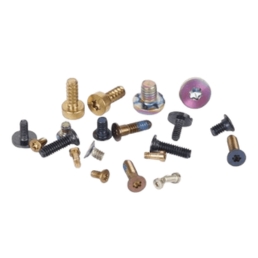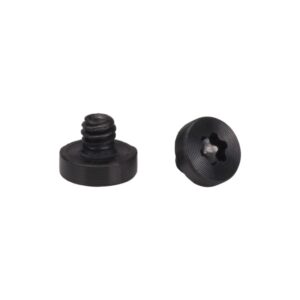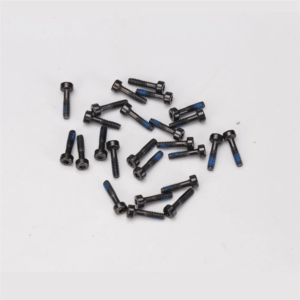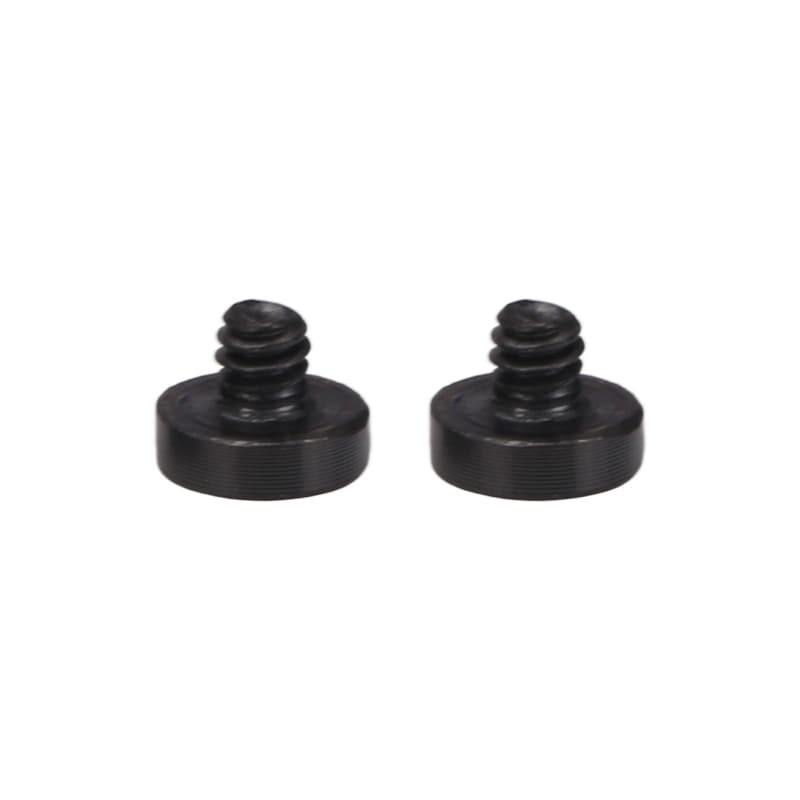
Precision screws are ubiquitous in modern manufacturing and construction, serving as the unsung heroes that hold everything from electronics to furniture together. While their small size might make them seem insignificant, the design of a screw’s head plays a crucial role in its functionality, ease of use, and aesthetic appeal. For Americans working in industries ranging from automotive repair to DIY home projects, understanding the common head styles of precision screws is essential for selecting the right tool for the job. This article explores the most prevalent head types, their applications, and the advantages they offer.
Table of Contents
1. Flat Head Screws: The Classic Choice for Flush Finishes:
Flat head screws, also known as countersunk screws, are easily recognizable by their conical shape, which allows them to sit flush with or below the surface of the material they’re fastened into. This design makes them ideal for applications where a smooth, even finish is desired, such as in woodworking, cabinetry, or automotive trim. The angle of the cone typically matches standard drill bit sizes, ensuring a precise fit when creating a countersunk hole.
One of the primary benefits of flat head screws is their ability to distribute stress evenly across the surface, reducing the likelihood of cracking or damage in brittle materials like plastic or thin metal. Additionally, their low profile makes them less prone to snagging on clothing or other objects, enhancing safety in high-traffic areas. When paired with a Phillips or slotted drive, these screws offer versatility for both manual and powered tools.
2. Pan Head Screws: Versatility Meets Durability:
Pan head screws feature a slightly rounded, dome-like top that sits above the surface of the material. This head style is commonly used in applications where a secure hold is needed without the need for a completely flush finish. Examples include electrical installations, metal framing, and attaching hardware to wood or composite materials.
The broad surface area of the pan head provides excellent resistance to pull-out forces, making these screws a reliable choice for heavy-duty applications. Their design also allows for easy alignment during installation, as the raised head can be felt or seen even in tight spaces. Pan head screws are often available with various drive types, including Phillips, slotted, and hex socket, catering to different tools and preferences.
3. Oval Head Screws: Combining Aesthetics with Functionality:
Oval head screws offer a compromise between the flat head’s flush finish and the pan head’s durability. These screws have a slightly convex top that sits just above the surface, providing a decorative touch while maintaining a relatively low profile. This makes them popular in furniture assembly, decorative trim, and applications where appearance matters as much as performance.
The curved shape of the oval head distributes stress more evenly than a flat head in certain materials, reducing the risk of damage during installation or use. Additionally, their elegant appearance makes them a preferred choice for visible fastenings in upscale products or architectural elements. Oval head screws are commonly found with Phillips or slotted drives, ensuring compatibility with a wide range of tools.
4. Hex Head Screws: The Go-To for High Torque Applications:
Hex head screws, recognizable by their six-sided head, are designed for applications requiring high torque and secure fastening. These screws are widely used in construction, machinery assembly, and automotive repair, where a strong, reliable connection is essential. The hexagonal shape allows for the use of wrenches or socket drivers, providing greater leverage and reducing the likelihood of slippage compared to slotted or Phillips drives.
One of the key advantages of hex head screws is their ability to withstand significant force without stripping or rounding off. This makes them ideal for heavy machinery, structural components, and any application where vibration or movement could loosen other types of screws. Additionally, hex heads can be paired with washers to distribute pressure evenly and prevent damage to the material being fastened.
5. Truss Head Screws: Extra Width for Enhanced Stability:
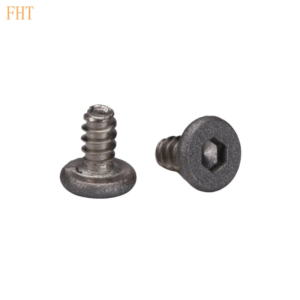
Truss head screws are characterized by their large, flat top with a slightly rounded edge, providing a wider surface area than pan or oval heads. This design makes them suitable for applications where additional stability is needed, such as attaching thin materials like sheet metal or plastic to thicker substrates. The broad head also helps prevent pull-through, ensuring the screw remains securely in place even under stress.
These screws are commonly used in electrical installations, HVAC systems, and automotive bodywork, where their low profile and wide bearing surface offer both functionality and aesthetics. Truss head screws are often available with Phillips or slotted drives, making them accessible to a wide range of users.
6. Combination Head Screws: The Best of Both Worlds:
Combination head screws feature a design that incorporates elements of multiple head styles, typically combining a slotted and Phillips drive in one. This versatility allows users to choose the most convenient tool for the job, whether it’s a screwdriver or a power drill. While not as specialized as other head types, combination head screws offer practicality and ease of use in a variety of applications.
These screws are particularly useful in situations where tools might be limited or when working with materials that require frequent adjustments. Their adaptability makes them a staple in general-purpose fastening tasks, from assembling furniture to repairing household items.
7. Conclusion: Choosing the Right Head Style for the Job:
The world of precision screws offers a diverse array of head styles, each designed to meet specific needs and applications. From the flush finish of flat head screws to the high torque capabilities of hex heads, selecting the right type depends on factors such as material, load requirements, and aesthetic preferences. By understanding the unique advantages of each head style, Americans working in various industries can ensure their projects are built to last, combining functionality with efficiency. Whether you’re a professional tradesperson or a DIY enthusiast, having a basic knowledge of screw head styles is an invaluable tool in your arsenal.