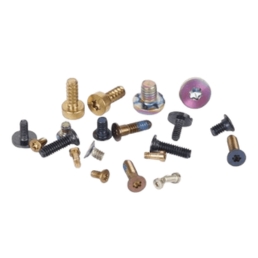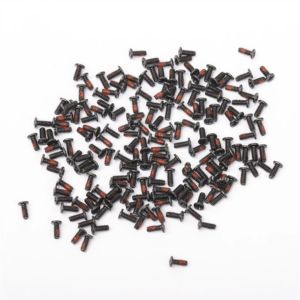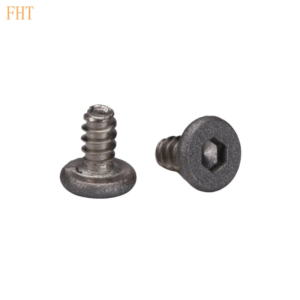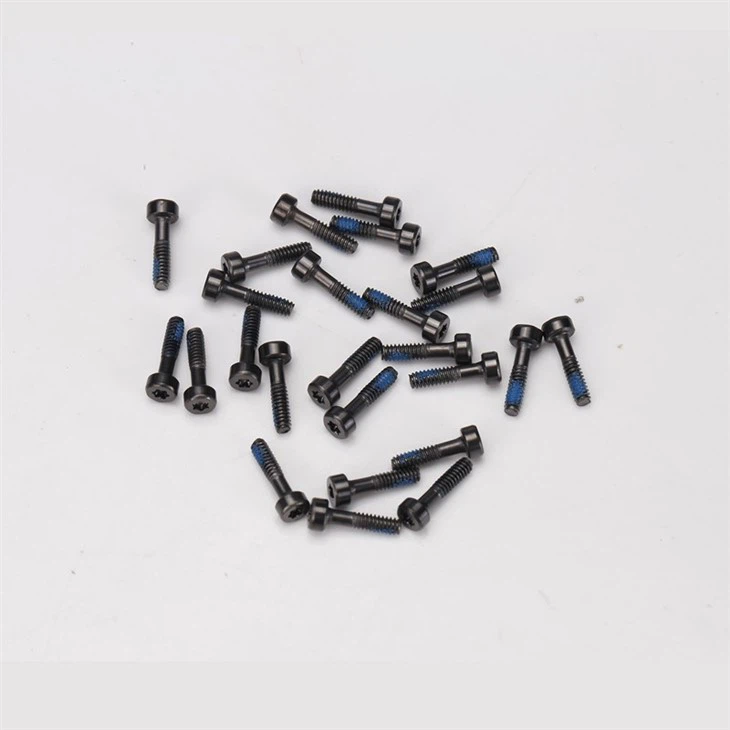
Precision screws are ubiquitous in modern engineering, from the smallest electronic devices to large-scale industrial machinery. Their reliability is often contingent on their ability to withstand environmental factors, with corrosion resistance being a critical parameter. Corrosion can lead to structural degradation, reduced functionality, and even catastrophic failures in extreme cases. Therefore, understanding how to test the corrosion resistance of precision screws is essential for ensuring their longevity and performance. This article delves into the various methods used to evaluate the corrosion resistance of these vital components.
Table of Contents
1. Understanding Corrosion and Its Impact:
Corrosion is a natural process that occurs when metals react with their environment, leading to the deterioration of the material. For precision screws, which are often made from metals like steel, aluminum, or titanium alloys, corrosion can manifest as rust, pitting, or general weakening of the screw’s structure. The consequences of corrosion can range from aesthetic damage to complete failure of the screw, potentially causing significant financial and operational losses.
The rate and extent of corrosion depend on several factors, including the type of metal, the presence of protective coatings, environmental conditions (such as humidity, temperature, and exposure to chemicals), and mechanical stresses. Therefore, testing the corrosion resistance of precision screws involves simulating these conditions in a controlled environment to predict their behavior over time.
2. Salt Spray Testing: A Standard Approach:
One of the most widely recognized methods for testing corrosion resistance is the salt spray test, also known as the fog test. This test involves exposing precision screws to a highly corrosive salt spray solution in a controlled chamber. The screws are placed at a specific angle, and the chamber is maintained at a constant temperature and humidity level. The duration of the test can vary, but it typically ranges from a few hours to several days, depending on the severity of the conditions being simulated.
During the test, the salt spray continuously interacts with the screws’ surfaces, accelerating the corrosion process. After the test period, the screws are inspected for signs of corrosion, such as rust spots, pitting, or changes in color. The results provide a relative measure of the screws’ corrosion resistance, allowing manufacturers to compare different materials or coatings.
3. Cyclic Corrosion Testing: Mimicking Real-World Conditions:
While salt spray testing is effective for assessing general corrosion resistance, it does not fully replicate the complex and variable conditions that precision screws may encounter in real-world applications. Cyclic corrosion testing addresses this limitation by subjecting the screws to a series of alternating environmental conditions, such as salt spray, humidity, dry periods, and temperature changes.
This dynamic testing approach better simulates the natural cycles of corrosion that occur in outdoor or industrial settings. By exposing the screws to a range of conditions, cyclic corrosion testing can reveal weaknesses that might not be apparent in a static salt spray test. It provides a more comprehensive assessment of the screws’ long-term durability and performance under realistic operating conditions.
4. Electrochemical Testing: Quantifying Corrosion Rates:
For a more precise and quantitative analysis of corrosion resistance, electrochemical testing methods are often employed. These tests measure the electrical properties of the metal surface as it corrodes, providing insights into the rate and mechanism of corrosion.
One common electrochemical technique is potentiodynamic polarization, which involves applying a varying voltage to the screw while measuring the resulting current. The data obtained can be used to calculate corrosion rates and identify the onset of pitting or other forms of localized corrosion. Another method, electrochemical impedance spectroscopy (EIS), measures the impedance of the metal-electrolyte interface, offering information about the protective properties of coatings or the formation of corrosion products.
Electrochemical testing is particularly useful for research and development purposes, as it allows for detailed characterization of corrosion behavior and the evaluation of new materials or coatings. However, it requires specialized equipment and expertise to interpret the results accurately.
5. Field Testing: The Ultimate Validation:
While laboratory tests provide valuable insights into the corrosion resistance of precision screws, there is no substitute for real-world testing. Field testing involves installing the screws in their intended application environment and monitoring their performance over an extended period. This could range from a few months to several years, depending on the expected service life of the screws.
Field testing allows for the observation of corrosion under actual operating conditions, including exposure to environmental pollutants, mechanical stresses, and other factors that may not be fully replicated in the laboratory. It provides the most accurate assessment of the screws’ corrosion resistance and durability, serving as the ultimate validation of their performance.
6. The Importance of Regular Testing and Maintenance:
Testing the corrosion resistance of precision screws is not a one-time event; it is an ongoing process that should be integrated into the product development and maintenance cycles. Regular testing helps manufacturers identify potential issues early on, allowing for timely improvements in materials, coatings, or manufacturing processes. It also ensures that the screws continue to meet the required standards and specifications throughout their service life.
In addition to testing, proper maintenance is crucial for preserving the corrosion resistance of precision screws. This includes regular cleaning to remove dirt and contaminants, applying protective coatings or lubricants as needed, and replacing screws that show signs of significant corrosion or wear.
7. Conclusion:
The corrosion resistance of precision screws is a critical factor in determining their reliability and longevity. By employing a combination of laboratory tests, such as salt spray, cyclic corrosion, and electrochemical testing, along with real-world field testing, manufacturers can gain a comprehensive understanding of how their screws will perform under various conditions. Regular testing and maintenance further ensure that these vital components continue to function as intended, contributing to the overall safety and efficiency of the systems they support. As technology advances and new materials and coatings emerge, the methods for testing corrosion resistance will continue to evolve, providing even more accurate and reliable predictions of screw performance in the future.