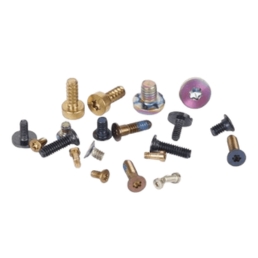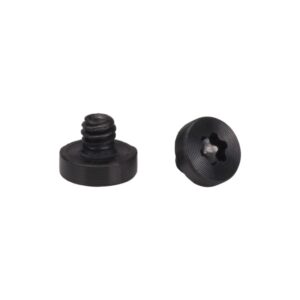
Precision screws are the unsung heroes of modern manufacturing, holding together everything from smartphones to automobiles. Yet, designing these tiny components for efficient mass production requires balancing functionality, cost, and scalability. Manufacturers often face challenges like material waste, high defect rates, or production bottlenecks if designs aren’t optimized upfront. This article explores actionable strategies to streamline precision screw design for large-scale manufacturing, ensuring quality without compromising speed or budget.
Table of Contents
1. Understanding the Core Requirements of Precision Screws:
Before diving into design tweaks, it’s critical to define what “precision” means in context. Precision screws demand tight tolerances, consistent thread geometry, and durability under stress. These components must fit seamlessly into assemblies, resist wear, and function reliably over time. For mass production, designs must also account for variability in materials, machinery, and environmental factors like temperature fluctuations.
A common pitfall is prioritizing theoretical perfection over practical manufacturability. For example, a screw with ultra-thin threads might work in a lab but fail during high-speed production due to tooling limitations. Collaborating with engineers and material scientists early ensures designs align with real-world capabilities.
2. Simplifying Geometry for Efficient Tooling:
Complex shapes often lead to higher costs and longer production times. Streamlining a screw’s geometry reduces the number of machining steps and minimizes tool wear. Consider the head design: a standard hexagonal or Phillips head requires simpler tooling than a proprietary shape, lowering setup costs and speeding up production.
Thread design is another critical area. While custom threads can solve specific problems, standard threads (like UNC or ISO metrics) are widely supported by existing machinery. If customization is unavoidable, ensure threads are compatible with automated feeding systems to prevent jams during assembly.
3. Material Selection: Balancing Strength and Machinability:
The choice of material impacts both performance and production efficiency. High-strength alloys may seem ideal, but they often require slower machining speeds or specialized tools, increasing costs. Conversely, overly soft materials might deform during tightening or wear out quickly.
For mass production, prioritize materials that offer a balance:
- Stainless steel resists corrosion but may require slower cutting speeds.
- Carbon steel is cost-effective and easy to machine but needs protective coatings.
- Brass or aluminum are lightweight and corrosion-resistant but less durable for high-stress applications.
Testing materials under simulated production conditions helps identify trade-offs early. For instance, a material that machines quickly but generates excessive waste might not be cost-effective long-term.
4. Designing for Automation and Assembly Line Compatibility:
Mass production thrives on automation, so designs must accommodate robotic handling, vibration feeding, and high-speed assembly. Screws with irregular shapes or tight tolerances can disrupt automated systems, leading to downtime or defects.
Key considerations include:
- Head symmetry: Ensures consistent orientation during robotic picking.
- Shank straightness: Prevents misalignment in feeding systems.
- Thread consistency: Reduces cross-threading risks during automated insertion.
Additionally, designing screws with self-centering features (like chamfered edges) simplifies alignment, reducing the need for manual intervention.
5. Minimizing Waste Through Tolerances and Finishing Processes:
Tight tolerances are essential for precision, but overly strict specifications can lead to excessive scrap. For example, a screw with a diameter tolerance of ±0.001 inches might require multiple rejections during quality checks, whereas a ±0.005-inch tolerance could achieve the same functionality with fewer wasted parts.
Finishing processes like polishing or plating also contribute to waste. Electroplating, for instance, generates chemical byproducts and requires precise control to avoid uneven coatings. Opting for dry-film lubricants or mechanical polishing can reduce environmental impact and simplify disposal.
6. Prototyping and Iterative Testing:
Even the most well-planned designs benefit from real-world testing. Prototyping allows manufacturers to identify flaws before full-scale production, saving time and money. Rapid prototyping technologies like 3D printing or CNC machining can produce sample screws for functional testing, stress analysis, and tooling trials.
Iterative testing involves refining designs based on feedback from each prototype. For example, if a screw’s threads strip during torque testing, engineers might adjust the pitch or material hardness. This cycle continues until the design meets performance and production goals.
7. Collaborating with Suppliers for Cost-Effective Solutions:
Manufacturers rarely operate in isolation. Partnering with material suppliers, tooling experts, and contract manufacturers can uncover cost-saving opportunities. Suppliers may offer alternative materials or processes that reduce lead times without sacrificing quality.
For instance, a supplier might recommend a heat-treatment process that strengthens screws without requiring thicker stock, cutting material costs. Similarly, tooling specialists can suggest drill bits or taps that last longer, reducing downtime for replacements.
8. Conclusion: The Path to Scalable Precision:
Optimizing precision screw design for mass production is a multidisciplinary effort. It requires aligning engineering goals with manufacturing realities, prioritizing automation, and embracing iterative improvement. By simplifying geometry, selecting practical materials, and testing rigorously, manufacturers can produce high-quality screws efficiently and cost-effectively.
In an industry where margins are thin and competition is fierce, these optimizations aren’t just nice-to-haves—they’re essential for staying competitive. The next time you tighten a screw, remember: its design likely involved months of collaboration, testing, and refinement to ensure it works flawlessly, millions of times over.