When it comes to construction, manufacturing, or even DIY projects at home, precision screws play a crucial role. These tiny yet mighty components hold everything together, ensuring stability and functionality. However, one of the most common challenges faced by professionals and hobbyists alike is determining the correct length of precision screws for a specific application. Choosing the wrong length can lead to a host of problems, from loose connections to damaged materials. So, how does one go about selecting the right length of precision screws? Let’s explore this topic in detail.
Table of Contents
1. Understanding the Basics of Screw Length:
Before diving into the specifics, it’s essential to understand what screw length means. In simple terms, the length of a screw refers to the distance from the head to the tip. This measurement is critical because it determines how deeply the screw will penetrate the material it’s being inserted into. A screw that’s too short won’t provide enough grip, while one that’s too long can protrude through the other side, causing damage or creating an uneven surface.
To start, consider the thickness of the materials you’ll be joining. Measure the combined thickness of all layers to get an initial estimate of the required screw length. Keep in mind that you’ll need a bit of extra length to ensure the screw goes through all layers and provides a secure hold, but not so much that it becomes a hazard.
2. Considering the Type of Screw Head:
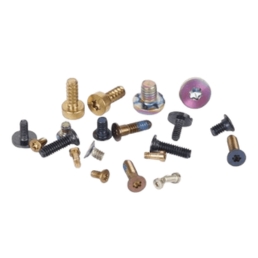
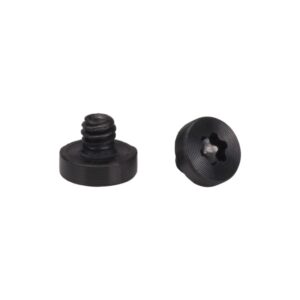
The type of screw head also plays a role in determining the appropriate length. There are various types of screw heads, such as flathead, panhead, and roundhead, each designed for specific applications. Flathead screws, for example, sit flush with the surface when installed, making them ideal for applications where a smooth finish is desired. On the other hand, panhead and roundhead screws protrude slightly above the surface, providing more grip and strength in certain situations.
When choosing the length, consider how much of the screw head will be visible or embedded in the material. For flathead screws, you’ll need to ensure the hole is deep enough to accommodate the head without it sticking out. For panhead and roundhead screws, a bit more length may be acceptable since the head will be visible and can serve as a decorative or functional element.
3. Evaluating the Material Properties:
The properties of the materials you’re working with significantly influence the choice of screw length. Different materials have varying densities, hardness, and flexibility, all of which affect how a screw interacts with them. For instance, wood is relatively soft and can be easily penetrated by a screw, whereas metal requires a more robust and often longer screw to achieve a secure hold.
When working with soft materials like wood or plastic, you can generally get away with a shorter screw since these materials don’t offer much resistance. However, for harder materials like metal or concrete, you’ll need a longer screw that can withstand the increased force required for penetration. Additionally, consider the potential for material expansion or contraction due to temperature changes, which may necessitate a slightly longer screw to accommodate these movements without losing grip.
4. Accounting for Environmental Factors:
Environmental factors can also impact the choice of screw length. If your project will be exposed to moisture, extreme temperatures, or corrosive substances, you’ll need to select a screw that can withstand these conditions without deteriorating. In such cases, a longer screw may be necessary to ensure it remains securely fastened despite environmental stresses.
For outdoor projects, for example, where exposure to rain, snow, and sunlight is common, choose a screw that’s not only the right length but also made from a corrosion-resistant material like stainless steel. This will help prevent rust and corrosion, which can weaken the screw over time and compromise the integrity of your project.
5. Seeking Expert Advice:
While the above factors provide a solid foundation for determining the right length of precision screws, sometimes it’s best to seek expert advice. If you’re unsure about which screw length to choose or if your project involves complex materials or configurations, consulting with a professional can save you time, money, and frustration in the long run.
Many hardware stores and online retailers offer customer support services where you can ask questions and get recommendations based on your specific needs. Additionally, there are numerous online forums and communities dedicated to DIY projects and construction, where you can connect with experienced individuals who can offer valuable insights and advice.
6. Testing and Adjusting as Needed:
Finally, don’t be afraid to test and adjust your screw length as needed. Before committing to a particular length for your entire project, try installing a few screws of different lengths to see how they perform. This will give you a better understanding of how the screws interact with your materials and allow you to make any necessary adjustments before proceeding.
If you find that a screw is too short and doesn’t provide enough grip, switch to a longer one. Conversely, if a screw is too long and protrudes through the other side, try a shorter one or consider using a washer to fill the gap. Remember, precision is key when it comes to screws, so take the time to get it right.
In conclusion, determining the right length of precision screws requires careful consideration of several factors, including material thickness, screw head type, material properties, environmental factors, and expert advice. By taking the time to evaluate these aspects and testing different options, you can ensure that your project is held together securely and functions as intended. Whether you’re a seasoned professional or a DIY enthusiast, following these guidelines will help you choose the perfect screw length for your next project.