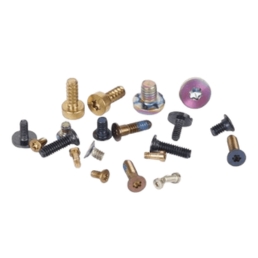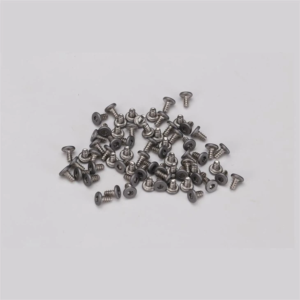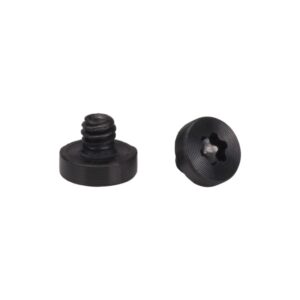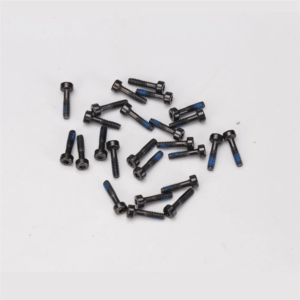
In industries ranging from consumer electronics to outdoor infrastructure, waterproofing is a critical requirement for ensuring product longevity and reliability. While seals, gaskets, and coatings often dominate discussions about water resistance, the role of precision screws is equally vital—yet frequently overlooked. These small components play a pivotal part in maintaining structural integrity while preventing moisture ingress. This article explores how precision screws function in waterproof applications, their design considerations, and why they matter in everyday products.
Table of Contents
1. The Role of Precision Screws in Waterproofing:
Precision screws are engineered to meet tight tolerances, ensuring consistent thread engagement and minimal gaps when fastened. In waterproof applications, their primary job is to secure enclosures or panels tightly enough to prevent water from seeping through joints. Unlike standard screws, which may leave microscopic gaps due to manufacturing inconsistencies, precision screws create a uniform seal when paired with compatible materials. This uniformity is especially crucial in devices exposed to humidity, rain, or submersion, where even a single weak point can compromise the entire system.
For example, consider a waterproof housing for underwater sensors. If the screws used to assemble the housing are not precision-machined, uneven pressure distribution could create pathways for water to enter. Over time, this can lead to corrosion, electrical shorts, or mechanical failure. Precision screws eliminate such risks by ensuring every fastening point contributes equally to the seal.
2. Material Selection: The Foundation of Waterproof Performance:
The effectiveness of precision screws in waterproof applications hinges on material choice. Common materials like stainless steel, titanium, and certain polymers are preferred due to their corrosion resistance and durability. Stainless steel, for instance, resists rust even in saltwater environments, making it ideal for marine equipment. Titanium, while more expensive, offers superior strength-to-weight ratios and exceptional resistance to chemical degradation.
Polymer-based screws, such as those made from high-grade nylon or PEEK, are lightweight and non-conductive, suitable for electronics where metal screws might interfere with signals. However, polymers must be carefully selected to avoid brittleness or swelling when exposed to moisture. The right material ensures that screws maintain their structural integrity and sealing properties over time, even under harsh conditions.
3. Thread Design: Enhancing Sealing Capabilities:
Thread geometry significantly impacts a screw’s ability to prevent water ingress. Precision screws often feature specialized thread profiles, such as triple-lead or buttress threads, which distribute pressure more evenly than standard V-threads. These designs reduce the likelihood of gaps forming between mating surfaces, enhancing the overall seal.
Additionally, some precision screws incorporate O-ring grooves or integrated gaskets. When tightened, these components compress to form a watertight barrier. For example, a screw with a built-in silicone gasket can seal against both the screw head and the surrounding material, creating a dual-layer defense against moisture. Such innovations are common in high-stakes applications like medical devices or aerospace components, where failure is not an option.
4. Surface Treatments: Protecting Against Environmental Factors:
Even the most corrosion-resistant materials can degrade over time if exposed to chemicals, UV light, or extreme temperatures. Surface treatments add an extra layer of protection to precision screws, extending their lifespan in waterproof applications. Passivation, for instance, removes iron particles from stainless steel surfaces, reducing the risk of rust formation. Anodizing, a process used on aluminum screws, creates a hard oxide layer that resists scratches and corrosion.
Coatings like PTFE (Teflon) or epoxy resins are also popular. PTFE reduces friction during assembly, ensuring screws can be tightened consistently without damaging surrounding materials. Epoxy coatings, meanwhile, provide a impermeable shield against moisture and chemicals. These treatments are particularly valuable in outdoor equipment, such as solar panel mounts or traffic signal housings, which face constant exposure to the elements.
5. Installation Techniques: Ensuring Long-Term Reliability:
Even the best-designed precision screws can fail if installed incorrectly. Proper torque application is essential to avoid over-tightening, which can strip threads or crack materials, or under-tightening, which leaves gaps for water to enter. Many manufacturers provide torque specifications tailored to their screws’ materials and thread designs, ensuring optimal performance.
Using the right tools is equally important. Torque drivers or screwdrivers with adjustable settings help maintain consistency across multiple fastening points. In applications where vibration is a concern, thread-locking compounds or self-locking screws can prevent loosening over time, maintaining the seal’s integrity.
6. Real-World Applications: From Smartphones to Submarines:
Precision screws are ubiquitous in waterproof products, though their presence often goes unnoticed. In smartphones, tiny screws secure the device’s casing, working alongside seals to protect internal components from rain or accidental spills. In automotive systems, waterproof screws hold together engine sensors and lighting fixtures, ensuring they function reliably despite exposure to road spray or car washes.
At the extreme end of the spectrum, precision screws are critical in submarine periscopes and underwater robotics. These applications demand screws that can withstand immense pressure and prolonged submersion without leaking. By combining advanced materials, thread designs, and surface treatments, manufacturers create screws capable of meeting these challenges head-on.
7. Conclusion: The Unsung Heroes of Waterproofing:
Precision screws may be small, but their impact on waterproof applications is immense. Through careful material selection, innovative thread designs, and rigorous installation practices, these components ensure that products remain functional and safe in wet environments. As technology advances, the demand for reliable waterproofing will only grow, driving further innovations in screw design and manufacturing.
For consumers, understanding the role of precision screws highlights the importance of quality in everyday products. Whether it’s a weatherproof outdoor speaker or a life-saving medical device, the right screws make all the difference in keeping moisture—and its damaging effects—at bay.