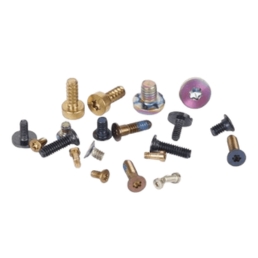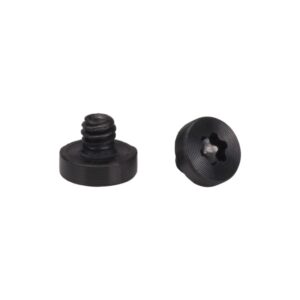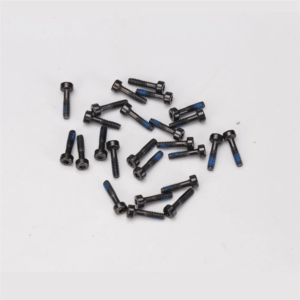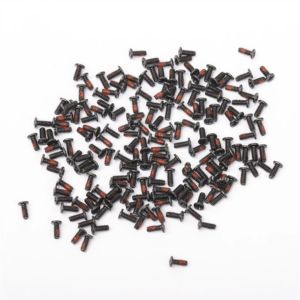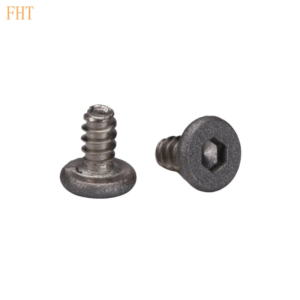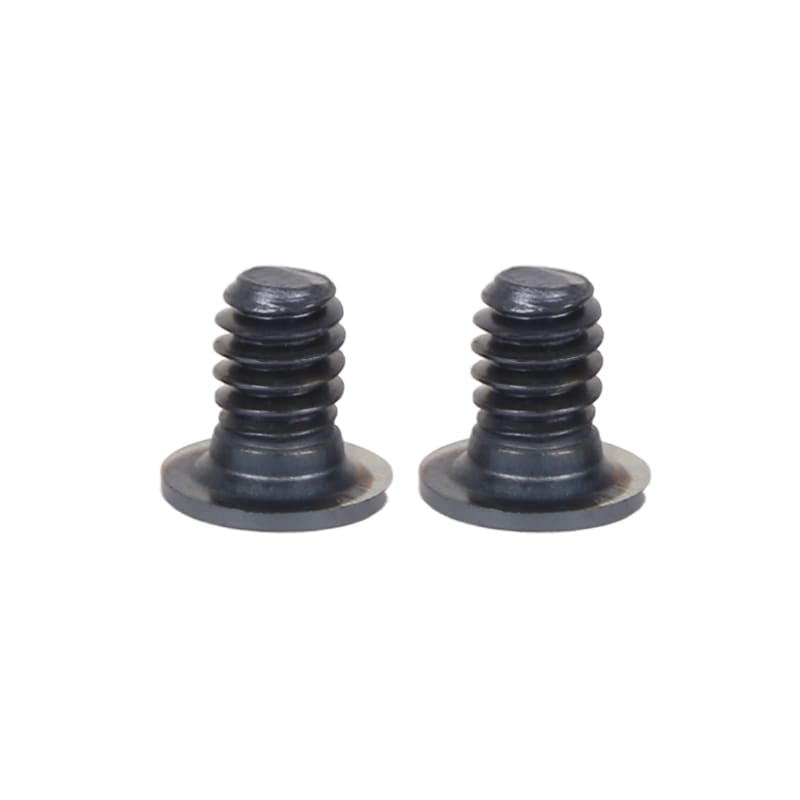
In a world driven by innovation, the reliability of everyday products often hinges on the smallest components. Precision screws, though rarely noticed, play a pivotal role in ensuring that devices, machinery, and structures function seamlessly over time. These tiny fasteners are engineered with meticulous attention to detail, offering advantages that standard screws cannot match. This article explores how precision screws elevate product reliability, from their design principles to their impact across industries.
Table of Contents
1. The Foundation of Precision: Material and Manufacturing Excellence:
Precision screws begin with superior materials. Unlike generic screws made from basic alloys, precision variants are crafted from high-grade metals such as stainless steel, titanium, or specialized composites. These materials are chosen for their durability, resistance to corrosion, and ability to withstand extreme temperatures. For example, a screw used in aerospace applications must endure rapid pressure changes and vibrations without failing—a task only possible with materials engineered for such conditions.
The manufacturing process further distinguishes precision screws. Advanced techniques like CNC (Computer Numerical Control) machining ensure each screw meets exact specifications. Tolerances are measured in micrometers, eliminating inconsistencies that could lead to loosening, misalignment, or structural weaknesses. This level of accuracy is critical in industries like medical devices, where a single misplaced screw could compromise patient safety.
2. Reducing Vibration and Wear: The Silent Guardian of Longevity:
Vibration is a common enemy of mechanical reliability. Over time, even minor vibrations can cause standard screws to loosen, leading to component misalignment or failure. Precision screws, however, are designed to minimize this risk. Their tight tolerances and specialized threading create a friction-based “lock” that resists loosening under stress. In automotive engines, for instance, precision screws secure critical parts like cylinder heads, ensuring they remain intact despite constant vibrations and heat cycles.
Wear and tear are equally problematic. Standard screws may strip threads or corrode when exposed to moisture or chemicals, but precision screws are often coated with anti-corrosive layers or treated with hardening processes. This extends their lifespan significantly, reducing the need for frequent replacements and maintenance.
3. Enhancing Safety Through Consistency:
Reliability is inseparable from safety, especially in high-stakes environments like construction or transportation. Precision screws ensure that structures remain stable by maintaining consistent tension and alignment. A bridge, for example, relies on thousands of screws to hold its components together. If even a fraction of these screws were slightly off-spec, the structure could develop weak points prone to collapse under stress.
In consumer electronics, precision screws prevent internal components from shifting during use. A smartphone’s casing, held together by tiny screws, must withstand drops and pressure without cracking or separating. The consistency of precision screws ensures that every unit performs as intended, protecting users from potential hazards like exposed wiring or battery malfunctions.
4. Optimizing Performance in High-Tech Applications:
The rise of miniaturization in technology has made precision screws indispensable. Devices like laptops, drones, and wearable gadgets require screws small enough to fit into tight spaces yet strong enough to secure delicate components. Standard screws often lack the precision needed for such applications, risking damage to circuits or optical sensors during assembly.
Precision screws also enable modular designs, allowing products to be disassembled and repaired with ease. This is particularly valuable in industries like renewable energy, where solar panels and wind turbines must be maintained efficiently. By using screws that fit perfectly every time, technicians can reduce repair times and ensure systems operate at peak efficiency.
5. Cost Efficiency Over Time: The Long-Term Benefits:
While precision screws may cost more upfront than standard alternatives, their long-term benefits justify the investment. Products built with precision screws require fewer repairs, leading to lower maintenance costs and fewer disruptions. For businesses, this translates to higher customer satisfaction and reduced warranty claims.
In manufacturing, precision screws streamline production by reducing errors. Automated assembly lines depend on components that fit consistently, and a single misaligned screw can halt operations. By using precision fasteners, manufacturers minimize downtime and improve overall output quality.
6. Environmental Sustainability: A Hidden Advantage:
Precision screws contribute to sustainability by extending product lifespans. When devices last longer, fewer resources are needed to replace or repair them. Additionally, the durability of precision screws reduces waste, as broken or corroded fasteners are less likely to end up in landfills.
Some precision screws are also designed with eco-friendly materials, such as recycled metals or biodegradable coatings. This aligns with growing consumer demand for sustainable products, giving companies an edge in competitive markets.
7. Conclusion: The Unsung Heroes of Reliability:
Precision screws are the unsung heroes of modern engineering, quietly ensuring that products perform reliably under diverse conditions. Their role in enhancing safety, reducing maintenance, and supporting sustainable practices makes them indispensable across industries. As technology continues to evolve, the demand for precision fasteners will only grow, solidifying their status as a cornerstone of innovation.
For consumers and businesses alike, understanding the value of precision screws underscores a broader truth: reliability is often determined by the smallest details. By prioritizing quality in every component, manufacturers can build products that stand the test of time—and precision screws are a perfect example of this principle in action.