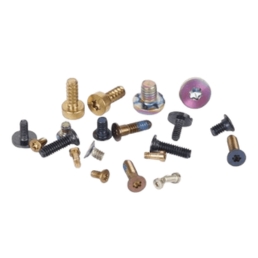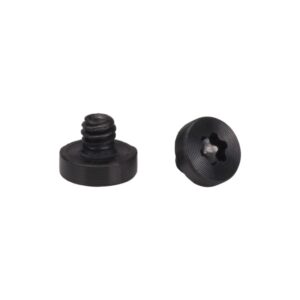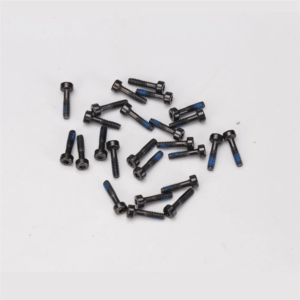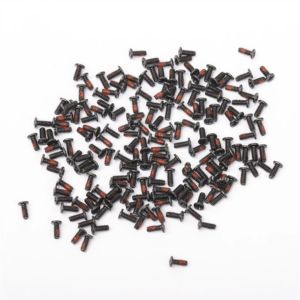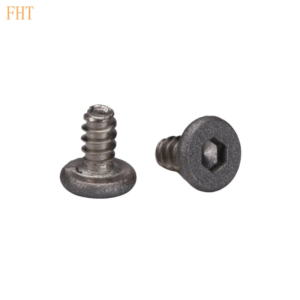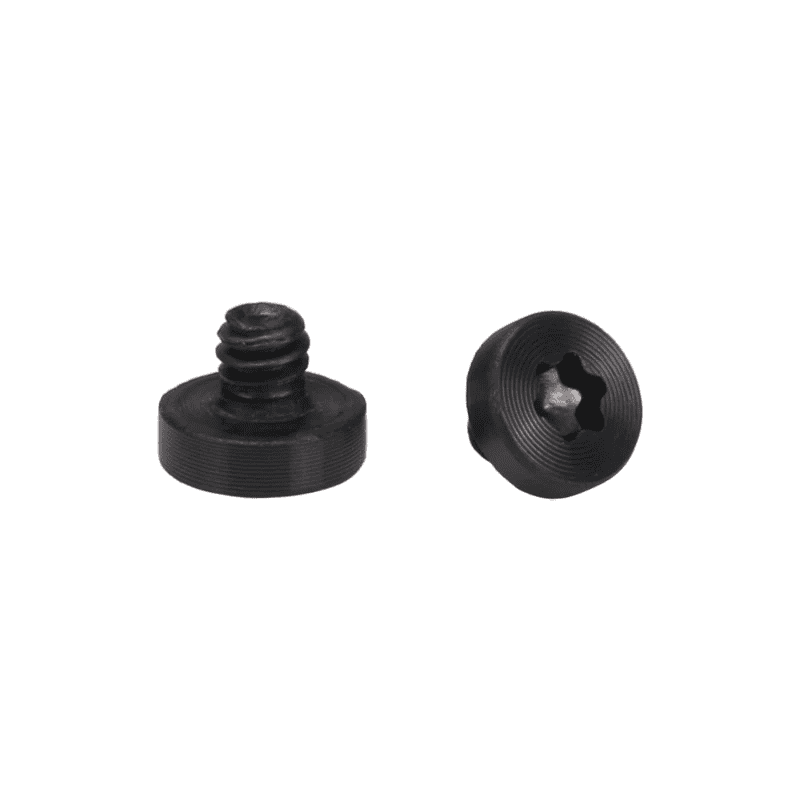
Precision screws are essential components in a wide range of industries, from electronics manufacturing to aerospace engineering. Their small size and high – precision requirements make them critical for the proper functioning of various devices and structures. When it comes to selecting precision screws, one of the most crucial factors to consider is material compatibility. This article will delve into the key aspects of material compatibility for precision screws.
Table of Contents
1. Environmental Exposure:
The environment in which a precision screw will be used has a significant impact on its material selection. If the screw is to be installed in an outdoor setting, it will be exposed to various weather conditions such as rain, snow, and extreme temperatures. For example, in a coastal area, the high salt content in the air can cause corrosion to many metals. Stainless steel, with its excellent corrosion resistance, is often a preferred choice in such environments. It can withstand the harsh conditions and maintain its structural integrity over an extended period.
In industrial settings, precision screws may be exposed to chemicals, oils, and other corrosive substances. Different chemicals react differently with various materials. For instance, some plastics may dissolve or degrade when in contact with certain solvents. On the other hand, certain metals like titanium have good resistance to a wide range of chemicals, making them suitable for use in chemical – processing plants or laboratories.
2. Load – Bearing Requirements:
The load that a precision screw will bear is another important factor in material compatibility. If the screw is used in a structure that requires high – strength support, such as in the construction of a bridge or a large – scale machinery, a strong and durable material is necessary. High – strength steel alloys are often chosen for these applications as they can withstand significant tensile and compressive forces without deforming or breaking.
In contrast, for applications with relatively low load – bearing requirements, such as in the assembly of small electronic devices, lighter materials like aluminum or certain plastics may be sufficient. These materials not only meet the strength requirements but also offer advantages in terms of weight reduction, which can be crucial in portable devices.
3. Thermal Expansion and Contraction:
Temperature changes can cause materials to expand or contract. When precision screws are used in assemblies where different materials are in contact, the difference in their thermal expansion coefficients can lead to problems. For example, if a metal screw is inserted into a plastic component and the temperature fluctuates significantly, the metal may expand or contract at a different rate than the plastic. This can cause the screw to loosen over time or even damage the plastic component.
To avoid such issues, it is important to select materials with similar thermal expansion coefficients. In some cases, engineers may use special coatings or design features to compensate for the differences in thermal expansion. For instance, a flexible gasket can be placed between the screw and the component to absorb the stress caused by thermal changes.
4. Electrical Conductivity:
In electrical and electronic applications, the electrical conductivity of the precision screw material is a critical consideration. For components that require electrical insulation, non – conductive materials such as certain plastics or ceramics are ideal. These materials prevent the flow of electric current, reducing the risk of short – circuits and electrical failures.
On the other hand, in applications where electrical conductivity is necessary, such as in the grounding of electrical systems, metals like copper or brass are preferred. Copper has excellent electrical conductivity and is widely used in electrical wiring and connections. Brass, which is an alloy of copper and zinc, also offers good conductivity and is often used in screw applications where a combination of strength and conductivity is required.
5. Magnetic Properties:
The magnetic properties of precision screw materials can also be important in certain applications. In magnetic resonance imaging (MRI) machines or other sensitive magnetic equipment, non – magnetic materials must be used to avoid interference with the magnetic fields. Stainless steel grades that are non – magnetic, such as 316L, are commonly used in these environments.
In contrast, in applications where magnetic attraction is required, such as in the assembly of magnetic clamps or sensors, magnetic materials like iron or certain steel alloys are chosen. These materials can generate or respond to magnetic fields, enabling the proper functioning of the device.
6. Long – Term Durability and Maintenance:
The long – term durability of the precision screw material is essential for reducing maintenance costs and ensuring the reliability of the overall system. Some materials may be more prone to wear and tear over time, especially in high – stress or high – friction applications. For example, soft metals may wear out quickly when used in moving parts.
Regular maintenance requirements also play a role in material selection. Materials that are easy to clean and inspect, such as stainless steel, can reduce the time and effort required for upkeep. In addition, materials that are resistant to fading, discoloration, or other forms of degradation can maintain their appearance and functionality for longer periods.
In conclusion, material compatibility is a complex but crucial aspect of precision screw selection. By considering environmental exposure, load – bearing requirements, thermal expansion, electrical conductivity, magnetic properties, and long – term durability, engineers and designers can choose the most appropriate materials for their specific applications. This ensures the reliable performance of precision screws and the overall success of the projects they are used in.