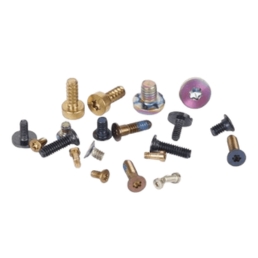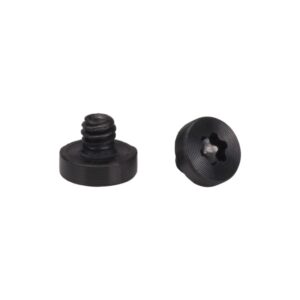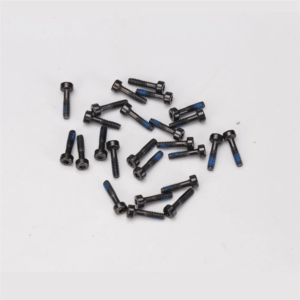
High-precision instruments, from medical devices to aerospace components, rely on meticulous engineering to function flawlessly. Among the many critical components, precision screws play a silent yet indispensable role. These tiny parts ensure stability, alignment, and durability, often under extreme conditions. Selecting the right screws, however, demands more than a casual glance at specifications. This guide explores the essential factors professionals must consider to make informed choices, ensuring their instruments perform reliably for years.
Table of Contents
1. Understanding the Role of Precision Screws:
Precision screws are not ordinary fasteners. Their design prioritizes exact tolerances, consistent thread geometry, and material stability to minimize variability in high-stakes applications. For instance, a misaligned screw in a surgical robot could compromise patient safety, while a loose fastener in a satellite might disrupt communication systems. These screws act as anchors, connectors, and adjusters, requiring a balance of strength, flexibility, and resistance to environmental factors. Engineers must first grasp the instrument’s operational demands—such as vibration, temperature fluctuations, or exposure to chemicals—to narrow down suitable screw types.
2. Material Matters: Choosing the Right Alloy:
The material of a screw determines its performance under stress, corrosion, and wear. Stainless steel, often favored for its strength and rust resistance, suits most general-purpose precision instruments. However, applications involving magnetic sensitivity (e.g., MRI machines) demand non-magnetic alloys like titanium or brass. For high-temperature environments, such as industrial machinery or automotive sensors, nickel-based alloys or heat-treated steels prevent deformation.
Another consideration is biocompatibility. Medical devices in contact with human tissue, like pacemakers or endoscopes, require screws made from hypoallergenic materials approved by regulatory bodies like the FDA. Engineers must cross-reference material properties with the instrument’s intended use to avoid premature failure or safety risks.
3. Thread Design and Tolerance: The Devil Is in the Details:
Thread geometry directly impacts a screw’s grip, torque resistance, and ease of assembly. Coarse threads offer faster installation but may loosen under vibration, making them unsuitable for aerospace or automotive applications. Fine threads, conversely, provide stronger hold in hard materials like aluminum or titanium but require precise tools to avoid stripping.
Tolerances—the allowable deviation from specified dimensions—are equally critical. High-precision instruments often demand screws with tolerances as tight as ±0.001 inches. Looser tolerances might lead to misalignment, noise, or inconsistent operation. Manufacturers typically classify screws by grades (e.g., Grade 2 for general use, Grade 5 for high-stress environments); selecting the appropriate grade ensures compatibility with the instrument’s design constraints.
4. Head Types and Drive Systems: Function Over Form:
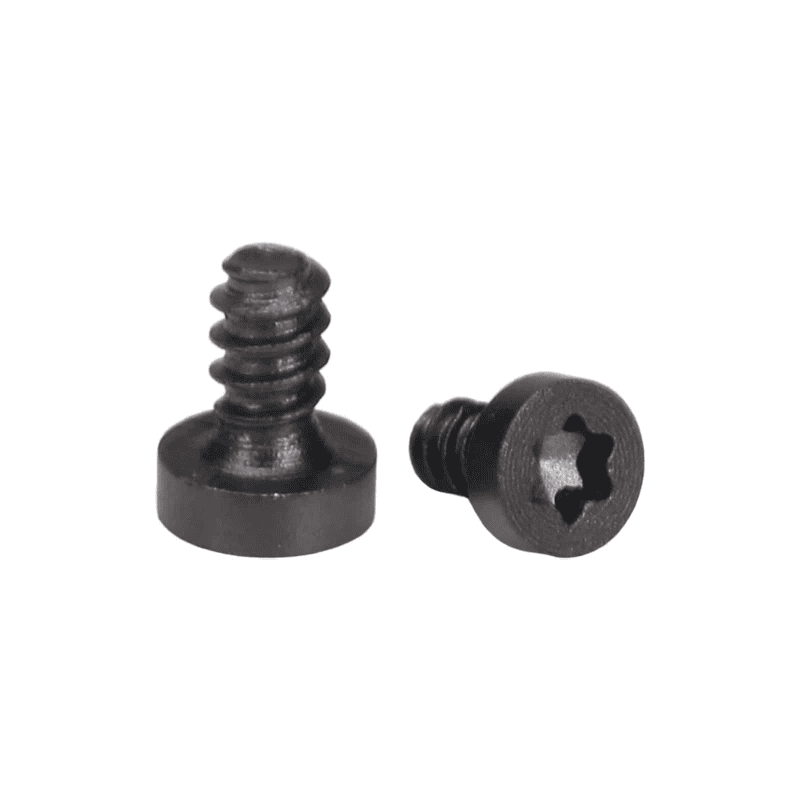
Screw heads come in various shapes—hex, Phillips, Torx, or socket—each designed for specific tools and torque requirements. Hex heads allow for higher torque application, making them ideal for structural components, while Phillips heads are common in consumer electronics for ease of use. Torx drives, with their star-shaped pattern, reduce cam-out (slippage) during assembly, enhancing efficiency in mass production.
The choice of head type also affects the instrument’s aesthetics and accessibility. For example, flat-head screws sit flush with surfaces, maintaining a sleek finish, whereas domed heads may be preferred for ergonomic adjustments. Engineers must weigh these factors against the assembly process’s complexity and the need for future maintenance.
5. Environmental Resistance: Preparing for the Unseen:
High-precision instruments often operate in harsh conditions. A screw in a marine sensor must resist saltwater corrosion, while one in a cryogenic chamber must withstand extreme cold without becoming brittle. Coatings like black oxide, zinc plating, or passivation can enhance a screw’s durability, but they must align with the instrument’s material compatibility and regulatory standards.
For example, lubricated coatings reduce friction during assembly but might attract dust in cleanroom environments. Similarly, conductive coatings are essential for electronic devices to prevent static discharge but could interfere with wireless signals. A thorough understanding of the operating environment helps engineers anticipate challenges and select screws that maintain performance over time.
6. Collaborating with Manufacturers: The Key to Customization:
Off-the-shelf screws rarely meet the exacting standards of high-precision instruments. Partnering with a manufacturer that offers customization—from thread pitch to head shape—ensures the final product aligns perfectly with design specifications. Advanced techniques like CNC machining or thread rolling produce screws with unmatched consistency, while 3D printing enables rapid prototyping for complex geometries.
Manufacturers can also provide valuable insights into material selection, tolerance thresholds, and cost optimization. For instance, a slight adjustment in thread angle might reduce production costs without compromising performance. Regular communication during the design phase minimizes errors and accelerates time-to-market.
7. Testing and Validation: The Final Checkpoint:
Even the most carefully selected screws must undergo rigorous testing. Simulated stress tests, vibration analysis, and environmental exposure trials validate the screws’ performance under real-world conditions. For example, a screw in a drone’s gimbal system might be tested for thousands of rotational cycles to ensure it doesn’t wear prematurely.
Documenting test results creates a quality benchmark for future production batches. It also provides data for regulatory submissions, particularly in industries like healthcare or aviation, where compliance is non-negotiable. Investing in testing upfront avoids costly recalls or redesigns later.
8. Conclusion: Precision Is a Process, Not a Product:
Selecting precision screws for high-precision instruments is a multidisciplinary task that blends materials science, engineering, and practical know-how. By prioritizing material compatibility, thread design, environmental resistance, and collaboration with experts, professionals can ensure their instruments operate with the reliability demanded by modern technology. Remember, precision isn’t just about the screw itself—it’s about how every component works together to achieve flawless performance.
In a world where even a micron of deviation can cause catastrophic failure, the right screw isn’t a detail; it’s a foundation.