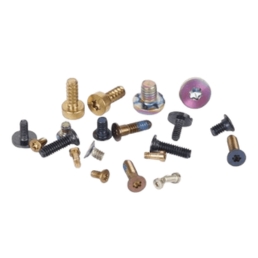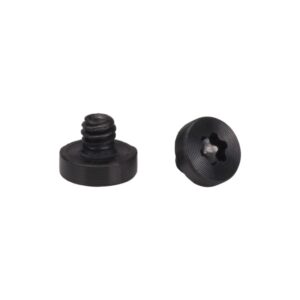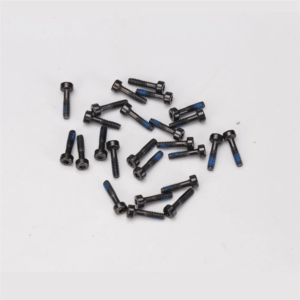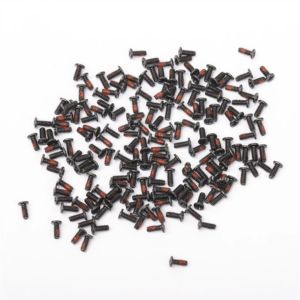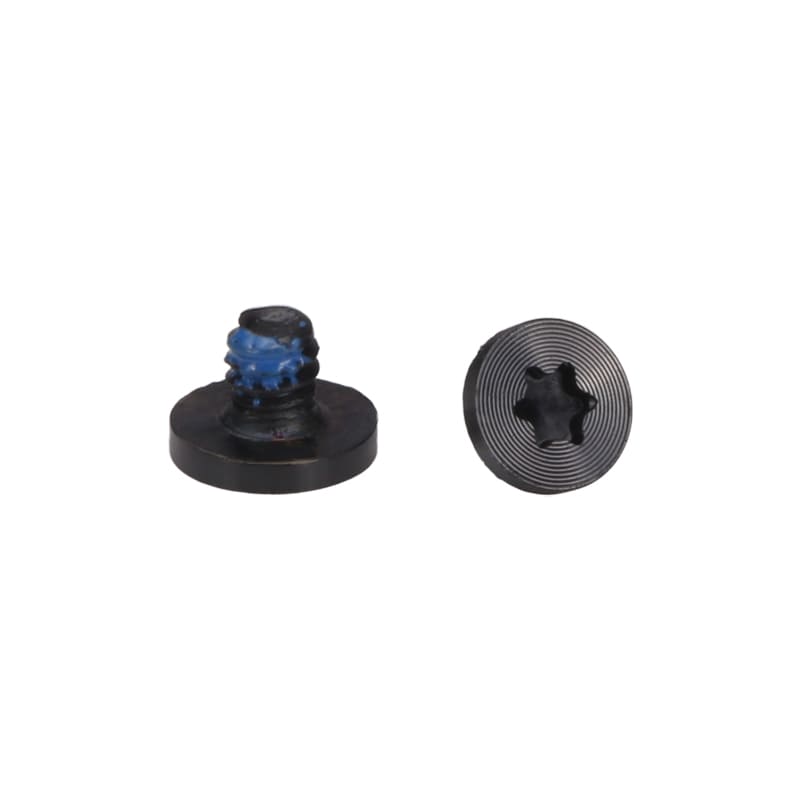
The medical device industry thrives on innovation, but beneath every breakthrough lies a foundation of meticulous engineering. Among the unsung heroes of this field are precision screws—tiny components that play a colossal role in ensuring devices function safely, reliably, and effectively. From surgical implants to diagnostic equipment, these screws must adhere to stringent standards to protect patients and uphold regulatory trust. This article explores how precision screws rise to meet these challenges, balancing technical rigor with practical demands.
Table of Contents
1. Material Selection: The Foundation of Biocompatibility:
Medical devices interact directly with the human body, making material choice non-negotiable. Precision screws must resist corrosion, avoid triggering immune responses, and withstand sterilization processes. Stainless steel, titanium alloys, and biocompatible polymers are common choices, each selected for specific properties. For example, titanium’s lightweight strength and corrosion resistance make it ideal for implants, while polymers might be used in disposable devices where cost and weight are critical.
Manufacturers conduct rigorous biocompatibility testing, adhering to standards like ISO 10993. which evaluates how materials interact with biological systems. This ensures screws won’t leach harmful substances or cause inflammation, a critical consideration for long-term implants such as pacemakers or joint replacements.
2. Dimensional Accuracy: When Microns Matter:
In medical devices, a fraction of a millimeter can mean the difference between success and failure. Precision screws must meet exacting tolerances to ensure seamless integration with other components. For instance, a screw used in a robotic surgical tool must align perfectly with gears and sensors to maintain precise movement. Similarly, screws in hearing aids or insulin pumps require microscopic precision to avoid malfunctions.
Advanced manufacturing techniques, such as CNC machining and Swiss turning, enable producers to achieve tolerances as tight as ±0.001 inches. Quality control processes, including laser scanning and coordinate measuring machines (CMMs), verify each screw’s dimensions before assembly. This level of accuracy prevents issues like thread stripping, misalignment, or device failure, which could have dire consequences in a clinical setting.
3. Sterilization Resistance: Enduring the Heat (or Chemicals):
Medical devices must be sterilized between uses to eliminate pathogens. Precision screws face extreme conditions, from autoclaving (high-pressure steam at 121°C) to ethylene oxide gas or gamma radiation. Materials and coatings must withstand these processes without degrading. For example, a screw’s thread geometry might be altered by repeated autoclaving if not designed properly, leading to loosening or cross-threading.
Manufacturers test screws under simulated sterilization cycles to ensure they retain structural integrity. Coatings, such as anodized aluminum or PTFE, may be applied to enhance corrosion resistance or reduce friction during assembly. These steps guarantee that screws remain sterile and functional throughout a device’s lifespan.
4. Thread Design: Balancing Strength and Precision:
The thread pattern on a screw isn’t just about grip—it’s a carefully engineered feature that affects torque, insertion force, and load-bearing capacity. In medical applications, threads must balance strength with minimal tissue disruption. For example, screws used in orthopedic implants often feature self-tapping designs to simplify surgical insertion, while those in delicate instruments might use finer pitches to reduce stress on surrounding materials.
Finite element analysis (FEA) software helps engineers optimize thread geometry for specific applications. By simulating stresses under various conditions, designers can create screws that distribute loads evenly, reducing the risk of fractures or loosening. This is particularly vital in spinal implants or cranial fixation devices, where failure could cause catastrophic injury.
5. Traceability and Documentation: The Paper Trail of Safety:
In the medical field, accountability is as important as performance. Every precision screw must be traceable from raw material to final assembly. This involves documenting batch numbers, manufacturing dates, and quality test results. If a device fails, regulators can trace the issue back to specific components, enabling recalls or process improvements.
Manufacturers often use laser etching or RFID tags to mark screws with unique identifiers. This data is stored in digital databases, ensuring compliance with regulations like the FDA’s 21 CFR Part 820. which mandates strict quality control protocols. Traceability also streamlines inventory management, reducing waste and ensuring that only certified components are used in production.
6. Regulatory Compliance: Navigating the Maze of Standards:
Medical devices face a labyrinth of regulations, from the FDA’s Quality System Regulation (QSR) to the EU’s Medical Device Regulation (MDR). Precision screws must comply with standards like ASTM F543 (for orthopedic implants) or ISO 13485 (for quality management systems). These guidelines cover everything from material testing to labeling requirements.
To navigate this complexity, manufacturers often partner with third-party certification bodies, such as TÜV SÜD or UL, to verify compliance. Regular audits and inspections ensure ongoing adherence to standards, giving healthcare providers confidence in the devices they use.
7. Conclusion: The Unsung Heroes of Healthcare:
Precision screws may be small, but their impact is immense. By meeting rigorous standards for material biocompatibility, dimensional accuracy, sterilization resistance, and regulatory compliance, these components ensure medical devices perform reliably under the most demanding conditions. As technology advances, the role of precision screws will only grow more critical, supporting innovations like minimally invasive robots or biodegradable implants.
For patients and providers alike, the invisible work of precision screw manufacturers is a testament to engineering excellence—a reminder that even the smallest parts can hold life-changing power.