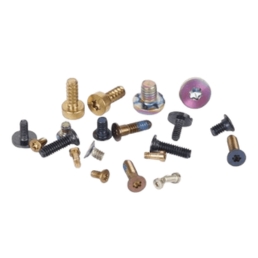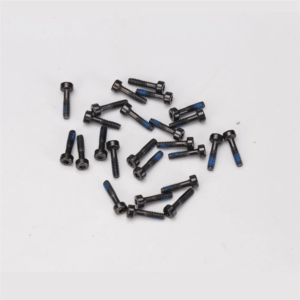
In the world of manufacturing and construction, precision screws play a crucial role. They are the tiny yet mighty components that hold various parts together, ensuring the stability and functionality of countless products and structures. For Americans involved in DIY projects, industrial production, or even simple home repairs, understanding the size ranges of standard precision screws is essential. This article delves into the details of these size ranges, exploring different aspects to provide a comprehensive overview.
Table of Contents
1. The Basics of Screw Sizing:
Before diving into the specific size ranges, it’s important to grasp the fundamental concepts behind screw sizing. Precision screws are typically measured using two main parameters: diameter and length. The diameter refers to the thickness of the screw’s shank, while the length is the distance from the head to the tip. These measurements are usually expressed in inches or fractions of an inch in the United States, although the metric system is also used in some industries.
The sizing system for precision screws can seem complex at first, with various numbering and lettering conventions. However, once you understand the basics, it becomes much easier to navigate. For instance, screw diameters are often denoted by gauge numbers, where a higher gauge number indicates a thicker screw. Length, on the other hand, is usually given as a simple numerical value in inches or millimeters.
2. Common Diameter Ranges:
When it comes to the diameter of standard precision screws, there is a wide range available to suit different applications. In the imperial system, gauge numbers range from as low as 0 (which is extremely thin) up to 24 or even higher for specialized screws. A gauge 0 screw has a diameter of approximately 0.060 inches, while a gauge 24 screw can be around 0.213 inches thick.
For general-purpose applications around the home, screws in the gauge range of 4 to 10 are quite common. These are suitable for tasks like assembling furniture, hanging pictures, or making minor repairs. In industrial settings, where greater strength and load-bearing capacity are required, screws with higher gauge numbers, such as 12 to 20. are often used. These thicker screws can withstand more stress and are ideal for heavy-duty construction projects or machinery assembly.
3. Length Variations:
The length of precision screws also varies significantly depending on the intended use. In the imperial system, lengths can range from as short as 1/8 inch to several inches long. For example, a 1/8-inch screw is perfect for securing small components or making delicate repairs, while a 4-inch screw might be used to fasten large pieces of wood or metal together.
In metric measurements, screw lengths are expressed in millimeters. Common lengths include 5mm, 10mm, 25mm, and so on, up to 100mm or more for specialized applications. The choice of length depends on the thickness of the materials being joined and the depth of penetration required. It’s important to select a screw that is long enough to provide a secure hold but not so long that it protrudes excessively or damages the underlying structure.
4. Thread Pitch and Its Impact on Size:
Another factor that influences the size and functionality of precision screws is the thread pitch. Thread pitch refers to the distance between adjacent threads on the screw’s shank. A finer thread pitch means more threads per inch, resulting in a stronger hold but requiring more turns to install. Coarser thread pitches, on the other hand, are easier to install but may not provide as secure a connection.
The thread pitch is often indicated along with the diameter and length when specifying a screw. For example, a screw might be labeled as “1/4-20 x 1.” where “1/4” is the diameter, “20” is the number of threads per inch (thread pitch), and “1” is the length in inches. Understanding thread pitch is crucial when replacing screws or selecting the right one for a particular application, as using the wrong pitch can lead to a poor fit or reduced performance.
5. Specialized Screw Sizes for Unique Applications:
In addition to the standard size ranges, there are also specialized precision screws designed for specific applications. For instance, micro screws, which are extremely small in diameter and length, are used in electronics and precision instruments. These screws can have diameters as small as 0.020 inches or less and lengths of just a fraction of an inch.
On the other end of the spectrum, large-diameter screws are used in heavy construction and industrial machinery. These screws can have diameters of several inches and lengths of a foot or more. They are designed to withstand extreme loads and provide a secure connection in demanding environments.
6. Conclusion: The Importance of Choosing the Right Size:
In conclusion, the size ranges of standard precision screws are diverse and cater to a wide variety of applications. From the tiny micro screws used in electronics to the large, heavy-duty screws used in construction, there is a screw for every need. Understanding the basics of screw sizing, including diameter, length, and thread pitch, is essential for selecting the right screw for the job.
Whether you’re a DIY enthusiast working on a home project or an industrial professional involved in complex machinery assembly, taking the time to choose the correct size of precision screw can make all the difference. It ensures a secure, reliable connection that will stand the test of time, preventing costly repairs and ensuring the safety and functionality of your projects. So, the next time you reach for a screw, remember to consider its size carefully—it’s a small detail that can have a big impact.