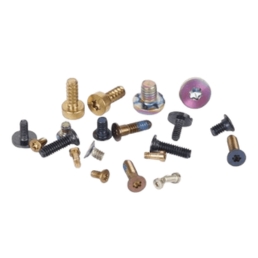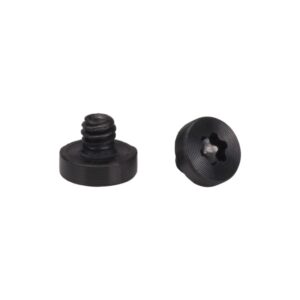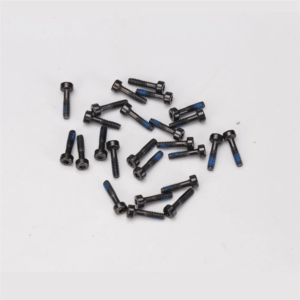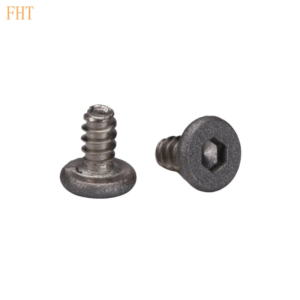
Precision screws are indispensable components in industries ranging from electronics to aerospace, where accuracy and reliability are non-negotiable. However, assembling these tiny components efficiently without compromising quality remains a challenge for many manufacturers. This article explores actionable strategies to streamline the assembly process, reduce errors, and enhance productivity—all while maintaining the high standards demanded by precision applications.
Table of Contents
1. Optimize the Workspace Layout: :
A cluttered or poorly organized workspace is a recipe for inefficiency. Even small delays, such as searching for tools or misplaced screws, can accumulate into significant time waste over a production cycle. To combat this, manufacturers should design workstations with ergonomics and accessibility in mind.
- Tool Placement: Position frequently used tools, such as screwdrivers or torque wrenches, within easy reach. Use magnetic trays or foam organizers to prevent tools from rolling away.
- Component Organization: Store screws in labeled, compartmentalized containers or automated dispensers to minimize sorting time. For high-volume assembly, consider using vibratory bowls or robotic feeders to deliver screws directly to the operator.
- Lighting and Visibility: Ensure adequate lighting to reduce eye strain and improve accuracy, especially when working with miniature screws. Adjustable magnifying lamps can be invaluable for inspecting tiny threads or alignment.
A well-organized workspace not only speeds up assembly but also reduces the risk of errors caused by distractions or fatigue.
2. Standardize Processes and Training:
Inconsistent assembly methods lead to variability in quality and efficiency. Standardizing workflows ensures that every operator follows the same steps, reducing the likelihood of mistakes and rework.
- Create Visual Guides: Develop step-by-step instructions with diagrams or videos to illustrate proper screw insertion, torque settings, and inspection criteria. Visual aids are particularly effective for training new employees or cross-training teams.
- Implement Checklists: Use checklists to verify that each assembly step is completed correctly. This is especially critical in industries like medical devices or automotive, where missing a screw could lead to catastrophic failures.
- Regular Training Updates: Conduct periodic refresher courses to keep operators informed about new tools, techniques, or quality standards. Encourage feedback to identify bottlenecks or areas for improvement.
Standardization fosters a culture of precision and accountability, which is essential for high-stakes manufacturing environments.
3. Leverage Automation and Smart Tools:
While manual assembly is still common for low-volume or custom projects, automation can dramatically boost efficiency for large-scale production. Even small investments in smart tools can yield significant returns.
- Automated Screwdrivers: Electric or pneumatic screwdrivers with adjustable torque settings ensure consistent tightening without over- or under-tightening. Some models even include counters to track the number of screws used.
- Robotic Assembly Systems: For high-volume applications, robots can handle repetitive tasks like picking, placing, and driving screws. Collaborative robots (cobots) can work alongside human operators to handle dangerous or physically demanding steps.
- Vision Systems: Integrated cameras or sensors can verify screw placement, alignment, and torque in real time, reducing the need for manual inspection.
Automation not only speeds up assembly but also minimizes human error, particularly in applications requiring micron-level precision.
4. Prioritize Screw Design and Material Selection:
The efficiency of assembly isn’t just about the process—it also depends on the screws themselves. Poorly designed or low-quality screws can slow down production and increase waste.
- Thread Compatibility: Ensure screws match the thread pitch and diameter of the mating components to avoid cross-threading or stripping.
- Head Type: Choose screw heads (e.g., Phillips, Torx, or hex) that align with the tools available and minimize slippage during assembly.
- Material Durability: Opt for corrosion-resistant materials like stainless steel or coated alloys to prevent rust or degradation, which can complicate disassembly or rework.
Collaborating with suppliers to customize screw specifications can eliminate common assembly headaches, such as jamming or misalignment.
5. Implement Quality Control Measures:
Defective screws or improper assembly can lead to costly recalls or rework. Proactive quality control (QC) helps catch issues early, saving time and resources.
- In-Process Inspection: Assign operators to check screw placement and torque at key stages of assembly rather than waiting until the end.
- Statistical Process Control (SPC): Use data analytics to monitor torque values, screw counts, and defect rates. Identifying trends can help address root causes before they escalate.
- Final Testing: Conduct functional tests, such as vibration or load testing, to ensure the assembled product meets specifications.
A robust QC system reduces waste and ensures that only flawless products reach customers.
6. Foster a Culture of Continuous Improvement:
Even the most efficient assembly lines can benefit from ongoing optimization. Encourage teams to identify inefficiencies and propose solutions through regular brainstorming sessions or suggestion programs.
- Time Studies: Analyze how long each assembly step takes and identify opportunities to streamline tasks. For example, combining two steps into one or repositioning a component for easier access.
- Employee Feedback: Frontline workers often have the best insights into process bottlenecks. Create channels for them to share ideas without fear of criticism.
- Benchmarking: Compare your assembly efficiency against industry standards or competitors to identify gaps and set improvement goals.
Continuous improvement isn’t a one-time initiative—it’s a mindset that drives long-term success.
7. Conclusion:
Improving the assembly efficiency of precision screws requires a holistic approach that combines workspace optimization, standardized processes, smart tools, and a commitment to quality. By investing in training, automation, and employee engagement, manufacturers can reduce costs, minimize errors, and meet the growing demands of industries that rely on precision. In a competitive global market, efficiency isn’t just a goal—it’s a necessity for survival and growth.
By adopting these strategies, companies can transform their assembly lines into lean, error-proof operations capable of delivering flawless products at scale.