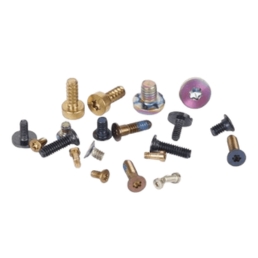
In the world of manufacturing and assembly, precision screws play a crucial role. They are the tiny yet mighty components that hold everything together, from delicate electronic devices to large – scale industrial machinery. However, with a wide variety of precision screws available in the market, it can be challenging to tell the high – quality ones from the low – quality counterparts. Here are some key factors to consider when making this distinction.
Table of Contents
1. Material Composition:
The material used in making precision screws is a fundamental determinant of their quality. High – quality precision screws are typically crafted from superior alloys. For instance, stainless steel is a popular choice due to its excellent corrosion resistance. In environments where moisture or chemicals are present, a stainless – steel screw will maintain its integrity over time, preventing rust and degradation that could weaken the connection.
On the other hand, low – quality screws may be made from inferior metals or alloys that are prone to corrosion. These screws can quickly become brittle, especially when exposed to harsh conditions, leading to breakage and potential safety hazards. Additionally, high – quality materials ensure better strength and durability, allowing the screws to withstand high levels of stress and torque without failing.
2. Manufacturing Tolerances:
Precision is the name of the game when it comes to these screws. High – quality precision screws are manufactured with extremely tight tolerances. This means that the dimensions of the screw, such as its diameter, length, and thread pitch, are held to very precise standards. A screw with tight tolerances will fit perfectly into its corresponding hole or nut, ensuring a secure and reliable connection.
In contrast, low – quality screws often have larger manufacturing tolerances. As a result, they may not fit as snugly, leading to loose connections. This can cause vibrations, noise, and in the worst – case scenario, the screw may come loose entirely, causing damage to the assembled product or even posing a safety risk. Tight tolerances also contribute to the smooth operation of moving parts in machinery, reducing wear and tear over time.
3. Thread Quality:
The thread of a precision screw is another critical aspect to evaluate. High – quality screws have well – formed, consistent threads. The threads are evenly spaced and have a smooth surface finish, which allows for easy insertion and removal. This is especially important in applications where frequent disassembly and reassembly are required, such as in the maintenance of electronic equipment.
Low – quality screws, however, may have poorly formed threads. There could be irregularities in the thread pitch, causing the screw to bind or jam during insertion. The surface of the threads may also be rough, which can damage the mating threads in the hole or nut, making future assembly and disassembly more difficult. Moreover, poorly formed threads are more likely to strip under stress, rendering the screw useless.
4. Surface Finish:
The surface finish of a precision screw can reveal a lot about its quality. High – quality screws usually have a smooth, uniform surface finish. This is achieved through processes such as polishing or plating. A smooth surface not only enhances the aesthetic appeal of the screw but also reduces friction during insertion and removal. It also helps to prevent the accumulation of dirt, dust, and other contaminants, which can affect the performance of the screw over time.
In comparison, low – quality screws may have a rough or uneven surface finish. This can be due to inadequate manufacturing processes or the use of low – grade materials. A rough surface can increase friction, making it harder to install the screw, and it can also be more susceptible to corrosion as contaminants can easily get trapped in the crevices.
5. Heat Treatment:
Heat treatment is a process that can significantly improve the properties of precision screws. High – quality screws often undergo proper heat treatment to enhance their strength, hardness, and toughness. This makes them more resistant to wear, fatigue, and deformation under load. For example, a heat – treated screw can withstand higher levels of torque without breaking or stripping.
Low – quality screws may not receive the appropriate heat treatment or may be heat – treated incorrectly. As a result, they may be softer and more prone to damage. They may bend or break easily when subjected to stress, compromising the integrity of the assembled product.
6. Quality Control and Certification:
Reputable manufacturers of high – quality precision screws have strict quality control measures in place. They conduct thorough inspections at various stages of the manufacturing process to ensure that each screw meets the required standards. These inspections may include dimensional checks, thread verification, and material analysis.
In addition, high – quality screws often come with relevant certifications. These certifications indicate that the screws have been tested and comply with industry standards and regulations. When purchasing precision screws, looking for these certifications can provide assurance of their quality. Low – quality manufacturers may skip these quality control steps and lack proper certifications, increasing the risk of receiving substandard products.
In conclusion, distinguishing high – quality from low – quality precision screws requires a comprehensive evaluation of multiple factors. By considering the material composition, manufacturing tolerances, thread quality, surface finish, heat treatment, and quality control measures, one can make an informed decision and ensure that they are using reliable and durable precision screws in their projects. Whether it’s for a small DIY task or a large – scale industrial application, choosing high – quality screws is essential for the success and longevity of the assembled product.