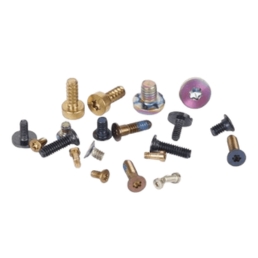
When it comes to precision screws, two main measurement systems dominate the global market: the metric system and the imperial system. For Americans, who are more familiar with the imperial system, understanding the differences between these two systems is crucial, especially when dealing with international projects, sourcing materials from overseas, or simply trying to expand their knowledge base. This article will delve into the key disparities between metric and imperial precision screws, covering aspects such as measurement units, thread patterns, availability, and applications.
Table of Contents
1. Measurement Units: The Foundation of Difference:
The most fundamental difference between metric and imperial precision screws lies in their measurement units. The metric system, which is widely adopted across the globe except for a few countries including the United States, uses millimeters (mm) as the primary unit for measuring screw dimensions. This includes the diameter of the screw shank, the length of the screw, and the pitch of the threads. For instance, a metric screw might be labeled as M4 x 20, where “M4” indicates a shank diameter of 4 millimeters, and “20” represents the length of the screw in millimeters.
On the other hand, the imperial system, prevalent in the United States, employs inches and fractions thereof to denote screw sizes. An imperial screw could be marked as #6-32 x 1″, where “#6” refers to the screw’s gauge or diameter, “32” is the number of threads per inch, and “1” is the length of the screw in inches. This system can be more challenging for those unaccustomed to working with fractions, as it requires a good understanding of how to convert between different fractional values.
2. Thread Patterns: A Matter of Precision and Compatibility:
Thread patterns are another critical aspect where metric and imperial precision screws differ significantly. Metric screws follow a standardized thread profile known as the ISO metric screw thread. This profile specifies the exact shape, angle, and pitch of the threads, ensuring consistency and compatibility across different manufacturers and applications. The ISO metric thread has a 60-degree thread angle and a defined pitch that varies depending on the screw’s diameter.
Imperial screws, however, utilize a variety of thread standards, the most common being the Unified Thread Standard (UTS). Like the metric system, UTS also defines the thread angle (60 degrees) but differs in terms of pitch and diameter specifications. The pitch in imperial screws is expressed as the number of threads per inch, which can vary widely depending on the screw’s intended use. This diversity in thread patterns can lead to compatibility issues when mixing metric and imperial components, highlighting the importance of selecting the correct screw type for a given application.
3. Availability and Sourcing: Navigating Global Markets:
The availability of metric and imperial precision screws can vary significantly depending on the region and the supplier. In countries that primarily use the metric system, metric screws are readily available in a wide range of sizes and specifications. This makes it relatively easy for professionals and hobbyists alike to find the exact screw they need for their projects. Conversely, in the United States, where the imperial system is dominant, imperial screws are more commonly stocked by local suppliers.
However, with the increasing globalization of manufacturing and supply chains, it’s becoming easier to source both metric and imperial screws regardless of location. Online retailers and specialty suppliers often carry a comprehensive inventory of screws in both systems, catering to the needs of a diverse customer base. When sourcing screws from international suppliers, it’s essential to be aware of the measurement system used and to ensure that the screws meet the required specifications for the intended application.
4. Applications: Where Each System Shines:
The choice between metric and imperial precision screws often depends on the specific application and the industry in which they are used. Metric screws are widely favored in industries such as automotive, aerospace, and electronics, where precision and standardization are paramount. The global adoption of the metric system in these sectors ensures that components from different manufacturers can be easily integrated, reducing the risk of compatibility issues.
Imperial screws, on the other hand, are still prevalent in certain industries within the United States, such as construction, woodworking, and some areas of manufacturing. These industries have a long history of using imperial measurements, and many existing designs and blueprints are based on this system. While there is a growing trend towards metrication in these sectors, the transition is gradual, and imperial screws continue to play a significant role.
5. Conversion and Interchangeability: Bridging the Gap:
For those who need to work with both metric and imperial precision screws, understanding how to convert between the two systems is essential. While there are conversion charts and online calculators available to help with this process, it’s important to note that exact conversions may not always be possible due to differences in thread patterns and pitch. In such cases, it may be necessary to use adapters or modify the design to accommodate the different screw types.
Interchangeability between metric and imperial screws should also be approached with caution. While some screws may appear to fit together based on their dimensions, differences in thread patterns can lead to poor engagement, stripped threads, or even component failure. When in doubt, it’s always best to consult with a professional or refer to the manufacturer’s specifications to ensure compatibility.
6. Conclusion: Embracing Diversity in Precision Screws:
In conclusion, metric and imperial precision screws differ in several key aspects, including measurement units, thread patterns, availability, applications, and conversion challenges. While each system has its advantages and disadvantages, understanding these differences is crucial for anyone working with screws, whether in a professional or hobbyist capacity. By embracing the diversity of screw measurement systems and learning how to navigate between them, individuals and businesses can ensure that they have access to the right screws for their needs, regardless of where they are sourced or used.