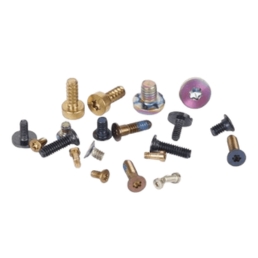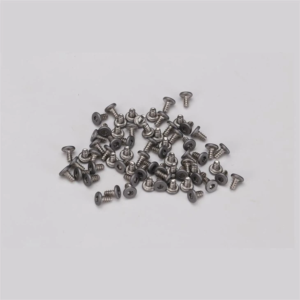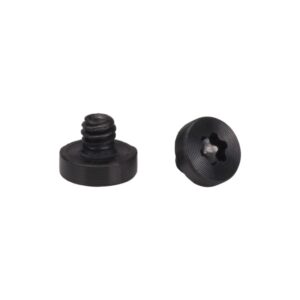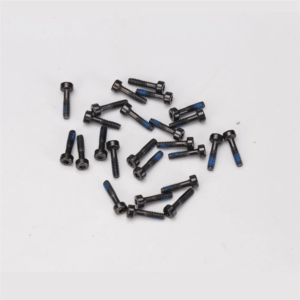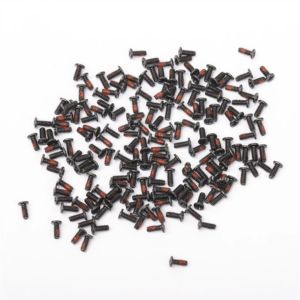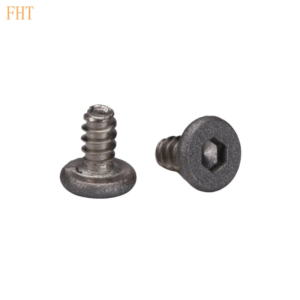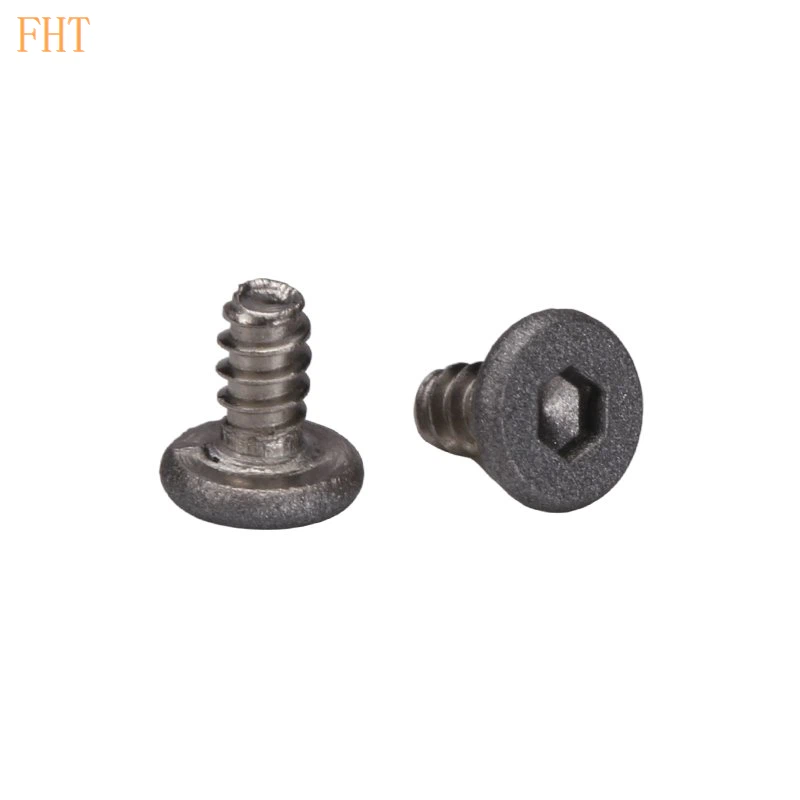
In the world of manufacturing and assembly, custom precision screws play a crucial role. These specialized fasteners are designed to meet specific requirements, ensuring a perfect fit and reliable performance in various applications. However, when considering custom precision screws, one of the most important aspects to understand is the cost involved. Several factors contribute to the overall price of these unique components, and this article will delve into the key determinants.
Table of Contents
1. Material Selection:
The choice of material is a fundamental factor that significantly impacts the cost of custom precision screws. Different materials offer varying properties such as strength, corrosion resistance, and thermal conductivity. For instance, stainless steel is a popular choice due to its excellent corrosion resistance and durability, making it suitable for applications in harsh environments. However, stainless steel is generally more expensive than carbon steel, which is a more cost-effective option but may not offer the same level of corrosion protection.
Other materials like titanium and aluminum are also used in custom precision screw manufacturing, each with its own set of advantages and costs. Titanium is extremely strong and lightweight but comes at a high price. Aluminum, on the other hand, is relatively lightweight and has good corrosion resistance, but it may not be as strong as some other metals. The specific requirements of the application, such as the need for high strength, corrosion resistance, or weight reduction, will dictate the material selection and, consequently, the cost.
2. Design Complexity:
The complexity of the screw design is another major cost factor. Custom precision screws often have unique shapes, threads, and head styles to fit specific components or assemblies. A simple screw with a standard thread and a basic head design will be less expensive to produce compared to a screw with a complex, non-standard thread pattern and a custom-designed head.
Creating complex designs requires specialized tooling and machining processes. For example, if a screw needs to have a precise internal thread or a unique head shape that requires multi-axis machining, the manufacturing process becomes more time-consuming and labor-intensive. This increased complexity in the design leads to higher production costs, as more resources are needed to create the necessary tooling and carry out the machining operations accurately.
3. Manufacturing Process:
The manufacturing process used to produce custom precision screws also plays a vital role in determining the cost. There are several common methods, including cold heading, turning, and milling. Cold heading is a cost-effective process for mass-producing simple screws, as it involves forming the screw shape by applying pressure to a metal blank at room temperature. However, for more complex designs, turning and milling processes may be required.
Turning involves rotating the workpiece while a cutting tool removes material to create the desired shape. Milling, on the other hand, uses a rotating cutting tool to remove material from a stationary workpiece. These processes are more precise and can handle complex geometries, but they are also more time-consuming and require skilled operators. Additionally, the use of advanced CNC (Computer Numerical Control) machines for turning and milling can further increase the cost due to the high initial investment in equipment and the need for specialized programming.
4. Tolerance Requirements:
Precision is the hallmark of custom precision screws, and the level of tolerance required has a direct impact on the cost. Tolerance refers to the allowable deviation from the specified dimensions of the screw. Tighter tolerances mean that the screw must be manufactured with greater accuracy, leaving less room for error.
Achieving tight tolerances requires more precise manufacturing equipment and stricter quality control measures. The production process may need to be slowed down to ensure that each screw meets the exact specifications, which increases labor costs. Moreover, additional inspection steps are often necessary to verify that the screws are within the required tolerance range, adding to the overall production time and cost.
5. Order Quantity:
The quantity of custom precision screws ordered is a significant cost determinant. In general, larger order quantities result in lower unit costs. This is because the fixed costs associated with setting up the manufacturing process, such as tooling and machine setup, can be spread over a larger number of units.
For small order quantities, the fixed costs have a more significant impact on the unit price, making each screw more expensive. Manufacturers may also offer volume discounts to encourage larger orders, as it is more efficient for them to produce a large batch of screws at once rather than running multiple small production runs.
6. Quality Assurance and Certification:
Ensuring the quality of custom precision screws is essential, especially in applications where safety and reliability are critical. Quality assurance measures, such as inspection and testing, add to the overall cost of production. These measures may include dimensional inspection, material testing, and performance testing to verify that the screws meet the required standards.
In some industries, certification may be required to demonstrate that the screws comply with specific regulations or standards. Obtaining these certifications involves additional costs, including testing fees and the cost of maintaining a quality management system. However, the investment in quality assurance and certification is necessary to provide customers with confidence in the performance and reliability of the custom precision screws.
In conclusion, the cost of custom precision screws is influenced by a combination of factors, including material selection, design complexity, manufacturing process, tolerance requirements, order quantity, and quality assurance. Understanding these factors can help customers make informed decisions when ordering custom precision screws and ensure that they get the best value for their money. By carefully considering these aspects, manufacturers can also optimize their production processes to provide high-quality custom precision screws at competitive prices.