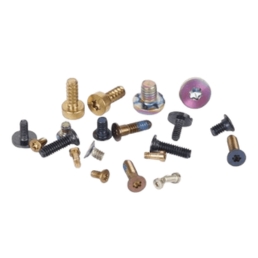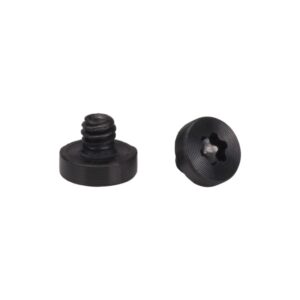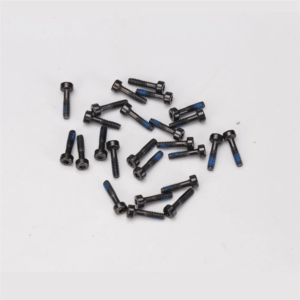
In the world of manufacturing, construction, and various DIY projects, precision screws play a crucial role. These tiny yet mighty components hold structures together, ensuring stability and functionality. One key aspect that often puzzles both professionals and hobbyists alike is the torque specification of precision screws. Understanding this concept is essential for achieving optimal performance and preventing damage.
Table of Contents
1. The Basics of Torque:
Torque, in simple terms, is the rotational force applied to an object, like a screw, to turn it. It’s measured in units such as inch-pounds (in-lbs) or Newton-meters (Nm). When tightening a precision screw, applying the right amount of torque is vital. Too little torque, and the screw may not hold securely, leading to loose connections and potential failures. On the other hand, excessive torque can strip the screw threads, damage the surrounding material, or even break the screw itself.
2. Why Precision Screws Need Specific Torque Values:
Precision screws are designed for applications where accuracy and reliability are paramount. Unlike regular screws, they are often used in delicate machinery, electronic devices, or high-precision instruments. These components require a precise fit to function correctly. Each precision screw is engineered to withstand a certain amount of force without compromising its integrity. The torque specification ensures that the screw is tightened just enough to create a secure connection without causing any harm.
For instance, in the assembly of a smartphone, precision screws are used to hold the internal components in place. If these screws are overtightened, they could damage the fragile circuit boards or other sensitive parts. Conversely, if they are under-tightened, the phone’s internal structure may become loose, leading to malfunctions or a shorter lifespan.
3. Factors Influencing Torque Specifications:
Several factors come into play when determining the torque specification for a precision screw. The first is the material of the screw and the object it’s being fastened to. Different materials have varying levels of hardness and resistance to force. For example, a screw made of stainless steel will require a different torque value compared to one made of aluminum when fastening to the same material.
The size and thread type of the screw also play a significant role. Larger screws generally require more torque to achieve the same level of tightness as smaller ones. Additionally, the thread pitch (the distance between adjacent threads) affects the torque needed. A fine-thread screw will typically need less torque than a coarse-thread screw of the same size because the fine threads engage more gradually, distributing the force more evenly.
The application environment is another crucial factor. If the screw will be exposed to vibrations, high temperatures, or corrosive substances, the torque specification may need to be adjusted to ensure long-term stability. For example, in an automotive engine, where vibrations are constant, precision screws used to secure critical components must be tightened to a specific torque to prevent loosening over time.
4. How to Determine the Correct Torque Specification:
There are several ways to find the correct torque specification for a precision screw. One of the most reliable methods is to consult the manufacturer’s documentation. Whether it’s a technical manual, a product datasheet, or online resources, manufacturers often provide detailed information about the recommended torque values for their screws. This information is based on extensive testing and engineering calculations, ensuring that the screws perform as intended.
Another approach is to use torque charts or tables. These resources, often available online or in engineering handbooks, list torque specifications for various types of screws based on their size, material, and application. While these charts can be a useful starting point, it’s important to verify the information with the manufacturer, especially for critical applications.
In some cases, trial and error may be necessary, but this should be done with caution. Start with a lower torque value and gradually increase it until the screw is securely fastened without causing any damage. Using a torque wrench, a tool specifically designed to measure and apply precise torque, can help ensure accuracy during this process.
5. The Importance of Using the Right Tools:
Applying the correct torque to a precision screw requires the right tools. A torque wrench is an indispensable tool for this task. There are different types of torque wrenches, including click-type, beam-type, and digital models. Each has its advantages and is suitable for different applications.
A click-type torque wrench, for example, emits a clicking sound when the preset torque value is reached, providing a clear indication that the desired force has been applied. Beam-type torque wrenches, on the other hand, use a deflecting beam to measure torque and are known for their accuracy and durability. Digital torque wrenches offer the most precise measurements and often come with additional features like memory storage and data logging.
Using the wrong tool or an improperly calibrated torque wrench can lead to inaccurate torque application, defeating the purpose of having a torque specification in the first place. Regular calibration of torque wrenches is essential to maintain their accuracy and ensure consistent performance.
6. Conclusion:
In conclusion, the torque specification of precision screws is a critical factor in ensuring the success and longevity of various projects and products. By understanding the basics of torque, the factors influencing torque specifications, and how to determine the correct values, individuals can achieve secure and reliable connections. Using the right tools and following manufacturer recommendations are also essential steps in this process. Whether you’re a professional engineer, a DIY enthusiast, or someone working on a delicate project, paying attention to torque specifications will help you avoid costly mistakes and achieve the best possible results.