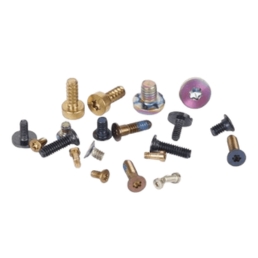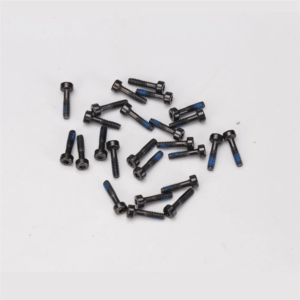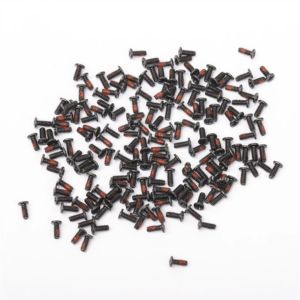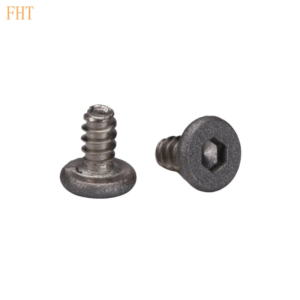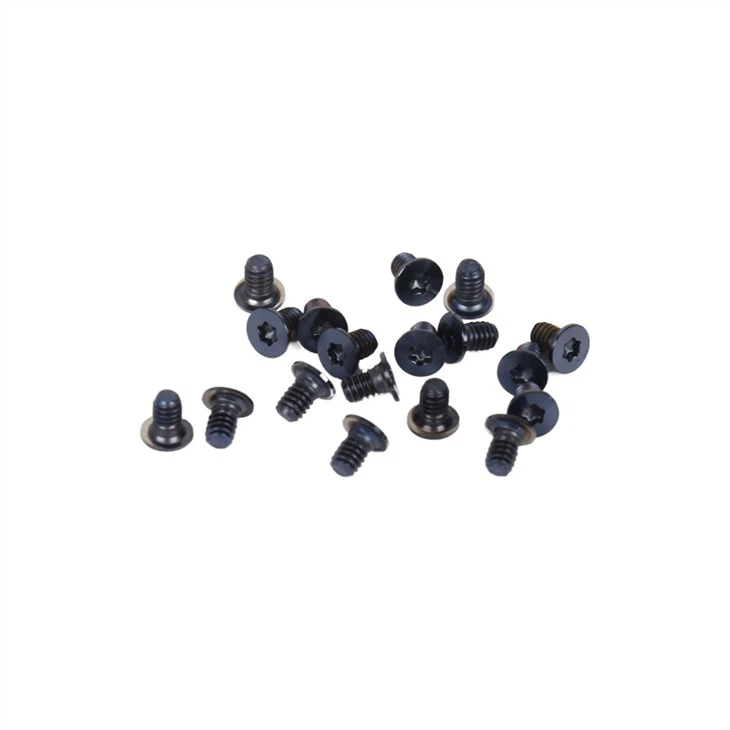
Precision screws are ubiquitous in modern manufacturing, holding together everything from delicate electronic devices to robust industrial machinery. Their small size belies their critical importance, as even minor flaws in their production can lead to significant performance issues or product failures. Understanding the manufacturing processes behind these tiny yet mighty components reveals a world of precision engineering and advanced technology.
Table of Contents
1. Raw Material Selection: The Foundation of Quality:
The journey of a precision screw begins with the careful selection of raw materials. High-quality metals such as stainless steel, carbon steel, and brass are commonly chosen for their durability, corrosion resistance, and machinability. Each material has unique properties that make it suitable for specific applications. For instance, stainless steel is often used in medical devices and food processing equipment due to its hygienic properties, while carbon steel is preferred for its strength in structural applications.
The selection process involves rigorous testing to ensure the material meets strict standards for purity, hardness, and tensile strength. Manufacturers work closely with suppliers to source materials that not only meet but exceed industry requirements, laying the groundwork for a high-quality final product.
2. Wire Drawing: Shaping the Future:
Once the raw material is selected, it undergoes wire drawing, a process that transforms thick metal rods into thin, uniform wires. This step is crucial for achieving the precise diameters required for precision screws. The wire is pulled through a series of dies, each slightly smaller than the last, gradually reducing its diameter while increasing its length.
Wire drawing is a delicate operation that requires precise control over temperature, tension, and speed. Any deviation can result in wire that is too brittle, too soft, or uneven in diameter, all of which would compromise the quality of the final screw. Advanced machinery and skilled operators work in tandem to ensure the wire meets exacting specifications.
2. Heading: Forging the Screw’s Head:
With the wire now at the correct diameter, the next step is heading, where the screw’s head is formed. This process involves feeding the wire into a heading machine, which uses a combination of pressure and heat to shape the end of the wire into the desired head style, such as flat, pan, or hexagonal.
Heading machines are highly automated, capable of producing thousands of screw heads per minute with incredible consistency. The precision of this step is vital, as the head must fit perfectly into its intended application, whether it’s a screwdriver slot, a socket, or a specialized tool. Any imperfections in the head can lead to difficulty during assembly or, worse, failure in service.
3. Thread Rolling: Creating the Perfect Pitch:
After the head is formed, the wire moves on to thread rolling, where the screw’s threads are created. Unlike traditional cutting methods, thread rolling uses hardened dies to press the threads onto the wire, resulting in a stronger, more durable thread profile. This process also enhances the screw’s resistance to stripping and improves its overall fatigue life.
Thread rolling is a high-precision operation that requires careful calibration of the dies and precise control over the rolling pressure. The result is a screw with threads that are uniformly spaced and of consistent depth, ensuring a secure fit and reliable performance in its intended application.
4. Heat Treatment: Enhancing Strength and Durability:
Once the threads are rolled, the screws undergo heat treatment, a critical step that enhances their strength and durability. Heat treatment involves heating the screws to a specific temperature, holding them at that temperature for a set period, and then cooling them at a controlled rate. This process alters the microstructure of the metal, making it harder and more resistant to wear and tear.
The exact heat treatment parameters vary depending on the material and the desired properties of the final screw. For instance, some screws may require quenching, a rapid cooling process that increases hardness, while others may undergo tempering, a slower cooling process that reduces brittleness and improves toughness. Skilled technicians monitor every stage of heat treatment to ensure the screws meet the required specifications.
5. Surface Finishing: The Final Touch:
The final step in the manufacturing process is surface finishing, where the screws are cleaned, polished, and, if necessary, coated to protect them from corrosion and improve their appearance. Surface finishing can involve a variety of processes, including deburring to remove sharp edges, polishing to create a smooth, shiny surface, and plating with materials like zinc or nickel to enhance corrosion resistance.
Surface finishing is not just about aesthetics; it also plays a crucial role in the screw’s functionality. A smooth, clean surface reduces friction during assembly, making it easier to insert and remove the screw. Coatings can also provide additional benefits, such as electrical conductivity or lubricity, depending on the application.
Precision screws may be small, but their manufacturing process is anything but simple. From raw material selection to surface finishing, each step requires precision, skill, and advanced technology to produce screws that meet the highest standards of quality and performance. Understanding these processes sheds light on the incredible engineering that goes into creating these tiny yet essential components, ensuring they can withstand the rigors of modern manufacturing and keep our world running smoothly.