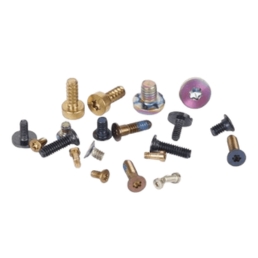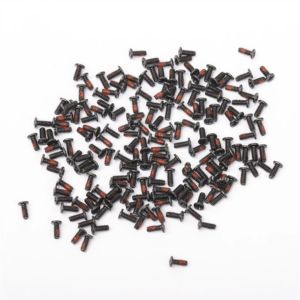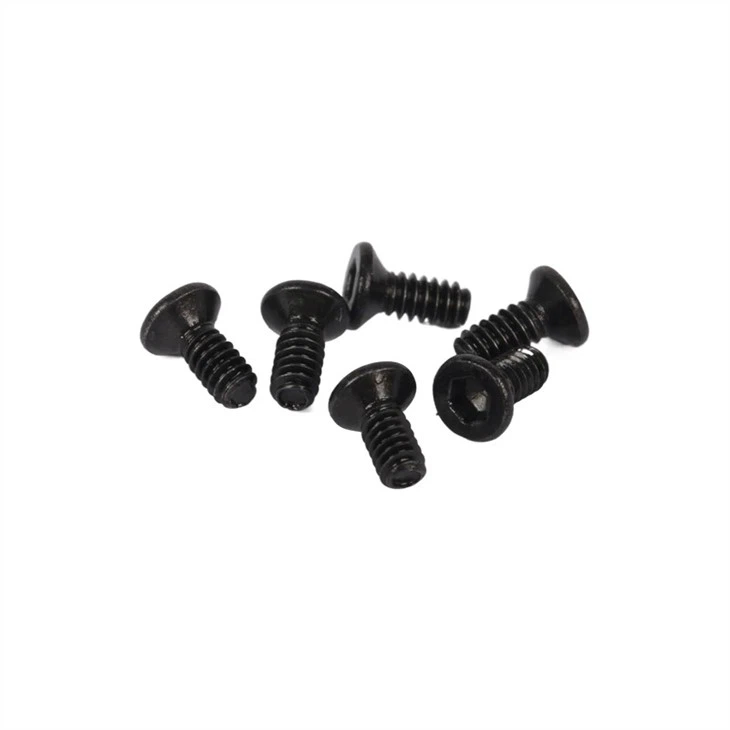
Precision screws, though small in size, play a crucial role in a wide range of industries, from electronics manufacturing to aerospace engineering. These tiny components, with their exacting tolerances and high – quality standards, demand specific storage conditions to maintain their integrity and functionality. In this article, we’ll explore the key environmental requirements for storing precision screws to ensure they remain in optimal condition for use.
Table of Contents
1. Temperature Control: A Delicate Balance:
Temperature is one of the most fundamental factors influencing the storage of precision screws. Extreme temperatures, whether high or low, can have detrimental effects on these components. High temperatures can cause the metal in the screws to expand, potentially altering their dimensions and affecting their fit and function. For example, in an environment where the temperature consistently exceeds 80°F (27°C), the screws may start to lose their shape over time, leading to issues during assembly processes.
On the other hand, extremely low temperatures can make the metal brittle. When the temperature drops below freezing, especially in the range of 0°F (-18°C) or lower, the screws become more prone to cracking or breaking under stress. This is particularly concerning in industries where precision screws are used in load – bearing applications. To maintain the quality of precision screws, it’s advisable to store them in a temperature – controlled environment, ideally between 60°F (16°C) and 75°F (24°C). This range provides a stable condition that minimizes the risk of dimensional changes and material degradation.
2. Humidity Management: Keeping Moisture at Bay:
Humidity is another significant environmental factor that can wreak havoc on precision screws. Excessive moisture in the air can lead to corrosion, especially if the screws are made of metals like steel or iron. Corrosion not only affects the appearance of the screws but also weakens their structural integrity, making them more likely to fail during use. In a highly humid environment, with relative humidity levels above 70%, the screws can start to rust within a short period.
To prevent corrosion, it’s essential to store precision screws in a dry environment. Using dehumidifiers in the storage area can help maintain a relative humidity level between 30% and 50%. Additionally, storing the screws in sealed containers or packaging with desiccants can further protect them from moisture. Desiccants, such as silica gel packets, absorb excess moisture in the air, creating a drier micro – environment within the container.
3. Light Exposure: Shielding from Harmful Rays:
While light may not seem like an obvious threat to precision screws, prolonged exposure to certain types of light can have negative consequences. Ultraviolet (UV) light, in particular, can cause degradation of the surface coatings on the screws. These coatings are often applied to enhance the screws’ corrosion resistance or improve their appearance. Over time, UV exposure can make the coatings fade, crack, or peel off, leaving the underlying metal vulnerable to damage.
To protect precision screws from light – related damage, it’s best to store them in a dark or low – light environment. If the storage area has windows, using curtains or blinds to block out direct sunlight can be effective. Alternatively, storing the screws in opaque containers or cabinets can also shield them from harmful light rays.
4. Cleanliness: A Pristine Storage Space:
A clean storage environment is crucial for maintaining the quality of precision screws. Dust, dirt, and other contaminants can settle on the screws’ surfaces, affecting their performance. In industries where precision is of the utmost importance, such as semiconductor manufacturing, even a tiny particle of dust can cause defects in the final product.
Regular cleaning of the storage area is essential to prevent the buildup of contaminants. This includes sweeping or vacuuming the floors, wiping down shelves and storage containers, and ensuring that there are no sources of dust or debris nearby. Additionally, using clean storage containers and handling the screws with clean gloves can further reduce the risk of contamination.
5. Vibration and Impact: Minimizing Physical Disturbances:
Vibration and impact can also pose a threat to precision screws. Excessive vibration, whether from nearby machinery or transportation, can cause the screws to move around within their storage containers, leading to scratches, dents, or even damage to their threads. Impact, such as dropping a container of screws or accidentally knocking them over, can cause immediate and severe damage.
To minimize the effects of vibration and impact, store precision screws in a stable location away from sources of vibration. If the storage area is near machinery, consider using vibration – dampening materials, such as rubber mats or foam pads, under the storage containers. When handling the screws, do so with care to avoid dropping or knocking them over. Using sturdy and well – secured storage containers can also help protect the screws from physical disturbances.
6. Pest Control: Keeping Unwanted Visitors Out:
Pests, such as insects and rodents, can cause significant damage to precision screws. Insects may be attracted to the metal or the coatings on the screws, and their presence can lead to contamination or physical damage. Rodents, on the other hand, may chew on the screws or the storage containers, rendering them unusable.
To prevent pest infestations, maintain a clean and well – sealed storage area. Seal any cracks or gaps in the walls, floors, and ceilings to prevent pests from entering. Regularly inspect the storage area for signs of pests, such as droppings or chewed materials, and take appropriate measures, such as using traps or calling a professional pest control service, if necessary.
In conclusion, storing precision screws requires careful consideration of various environmental factors. By controlling temperature, humidity, light exposure, maintaining cleanliness, minimizing vibration and impact, and implementing effective pest control measures, you can ensure that these small but vital components remain in optimal condition for use, contributing to the success of a wide range of industrial applications.