In the world of manufacturing and engineering, precision screws play a vital role in holding components together, ensuring the stability and functionality of various devices. Among them, miniature and standard precision screws are two common types, each with its own unique characteristics and applications. This article will delve into the differences between these two types of screws from multiple aspects, helping readers better understand and choose the right screws for their projects.
Table of Contents
1. Size and Dimensions: A Clear Distinction:
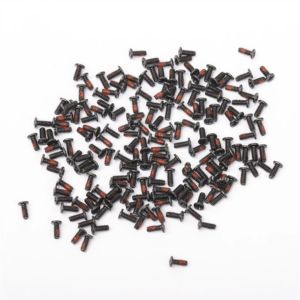
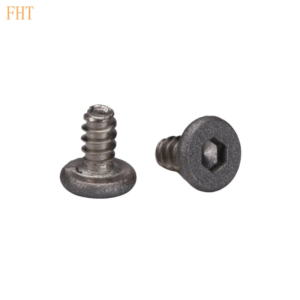
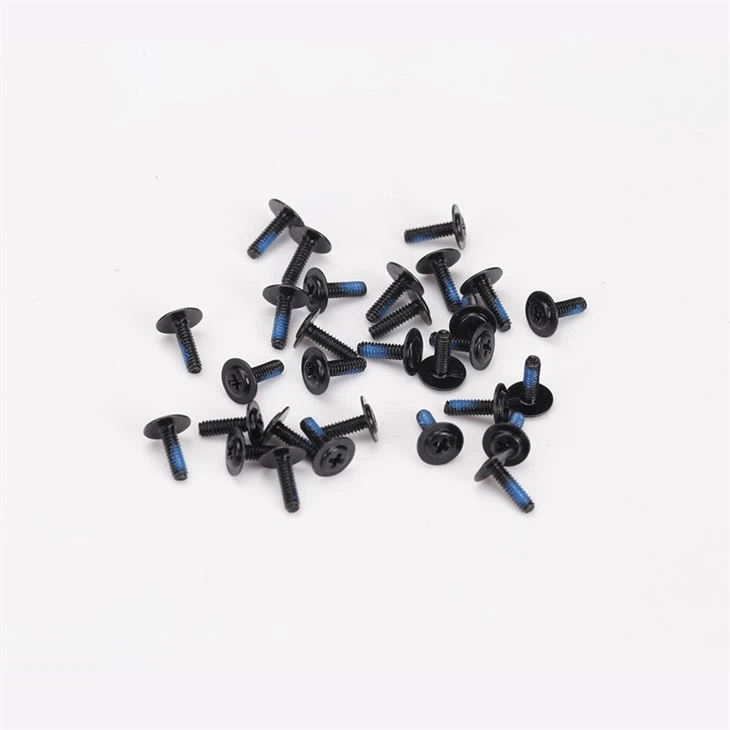
The most obvious difference between miniature and standard precision screws lies in their size and dimensions. Miniature screws, as the name suggests, are significantly smaller in size compared to standard ones. They are designed to fit into tight spaces and work with miniature components, often found in applications such as electronics, medical devices, and small mechanical assemblies. These screws can have diameters as small as a fraction of a millimeter, making them ideal for projects where space is at a premium.
On the other hand, standard precision screws are larger and more robust. They are commonly used in applications where a greater amount of force needs to be applied or where the components being joined are larger in size. Standard screws come in a wide range of diameters and lengths, allowing them to accommodate various assembly requirements. Their larger size also makes them easier to handle and install, especially for those who may not have extensive experience working with tiny components.
2. Material Selection: Tailored for Specific Needs:
Another key difference between miniature and standard precision screws is the choice of materials. Miniature screws often require materials that offer high strength-to-weight ratios and excellent corrosion resistance. This is because they are frequently used in environments where they may be exposed to moisture, chemicals, or other harsh conditions. Common materials for miniature screws include stainless steel, titanium, and certain types of plastics that are engineered to withstand these challenges.
Standard precision screws, while also available in a variety of materials, may not have the same stringent requirements as miniature ones. They can be made from materials such as carbon steel, alloy steel, or brass, depending on the specific application. These materials offer a good balance of strength, durability, and cost-effectiveness, making them suitable for a wide range of general-purpose applications.
3. Manufacturing Processes: Precision at Different Scales:
The manufacturing processes for miniature and standard precision screws also differ significantly. Miniature screws require extremely precise manufacturing techniques to ensure that they meet the tight tolerances required for their applications. This often involves the use of advanced machining equipment, such as CNC (Computer Numerical Control) machines, which can create screws with diameters and lengths that are accurate to within a few micrometers.
Standard precision screws, while still requiring a high level of precision, may not need to be manufactured to the same exacting standards as miniature ones. The manufacturing processes for standard screws can include techniques such as cold heading, threading, and heat treating, which are well-established and cost-effective methods for producing large quantities of screws with consistent quality.
4. Application Areas: Where Each Shines:
The application areas for miniature and standard precision screws are also distinct. Miniature screws are commonly found in industries such as electronics, where they are used to assemble circuit boards, connect small components, and secure delicate parts. They are also used in medical devices, such as hearing aids and pacemakers, where their small size and high precision are essential for the proper functioning of the device.
Standard precision screws, on the other hand, are widely used in construction, automotive, and aerospace industries. In construction, they are used to join structural components, such as beams and columns, ensuring the stability and safety of buildings. In the automotive industry, standard screws are used to assemble various parts of a vehicle, from the engine to the body panels. In aerospace, they play a crucial role in holding together the complex components of aircraft and spacecraft, where reliability and durability are of utmost importance.
5. Installation and Handling: Ease of Use Matters:
The installation and handling of miniature and standard precision screws also present different challenges. Miniature screws, due to their small size, can be difficult to handle and install without the proper tools and techniques. Specialized screwdrivers or drivers with fine tips are often required to prevent damage to the screw head or the component being assembled. Additionally, the small size of these screws can make it challenging to apply the correct amount of torque during installation, which is essential for ensuring a secure and reliable connection.
Standard precision screws, with their larger size, are generally easier to handle and install. Standard screwdrivers or power tools can be used to quickly and efficiently assemble components. The larger size also allows for more forgiving torque application, reducing the risk of over-tightening or stripping the screw threads.
6. Cost Considerations: Balancing Quality and Budget:
Finally, cost is an important factor to consider when choosing between miniature and standard precision screws. Miniature screws, due to their complex manufacturing processes and the use of high-performance materials, tend to be more expensive than standard screws. However, their high precision and suitability for specialized applications can justify the higher cost in many cases.
Standard precision screws, on the other hand, are generally more cost-effective, especially when purchased in large quantities. Their widespread use and established manufacturing processes make them a more economical choice for general-purpose applications where extreme precision or small size is not required.
In conclusion, miniature and standard precision screws each have their own unique characteristics and applications. Understanding the differences between these two types of screws can help engineers and manufacturers choose the right screws for their projects, ensuring optimal performance, reliability, and cost-effectiveness. Whether working on a tiny electronic device or a large-scale construction project, selecting the appropriate screws is an essential step in the assembly process.