Electronic devices, from smartphones to industrial machinery, rely on precision screws to secure components, ensure functionality, and maintain durability. Choosing the right screws might seem minor, but it significantly impacts performance, safety, and longevity. This guide explores how to navigate the complexities of selecting precision screws tailored to electronic applications, covering material, size, design, and environmental factors.
Table of Contents
1. Understanding the Role of Precision Screws in Electronics:
Precision screws are not ordinary fasteners; they are engineered to meet strict tolerances, ensuring components fit snugly without damage. In electronics, these screws hold delicate parts like circuit boards, sensors, or casings in place. A poorly chosen screw can lead to misalignment, vibration, or even electrical shorts. For instance, a screw that’s too long might pierce a circuit board, while one that’s too short won’t provide a secure hold. The stakes are high, as even minor errors can disrupt device functionality or void warranties.
2. Material Matters: Balancing Strength and Corrosion Resistance:
The material of a screw determines its durability, weight, and resistance to environmental factors. Common materials include stainless steel, brass, and plastic composites, each suited for different scenarios:
- Stainless Steel: Ideal for high-strength applications, stainless steel resists corrosion, making it perfect for devices exposed to moisture or chemicals. However, it’s heavier and may interfere with magnetic fields in sensitive electronics.
- Brass: Non-magnetic and corrosion-resistant, brass screws are often used in devices requiring minimal electromagnetic interference (EMI), such as medical equipment or audio devices.
- Plastic Composites: Lightweight and non-conductive, plastic screws are cost-effective for low-stress applications like consumer gadgets. However, they lack the strength of metal and may degrade under UV exposure or high temperatures.
When selecting a material, consider the device’s operating environment. Will it be used outdoors? Exposed to chemicals? The answer guides material choice to prevent premature failure.
3. Thread Types and Pitch: Ensuring Compatibility:
Thread design is critical for secure fastening. Two primary thread types dominate electronics:
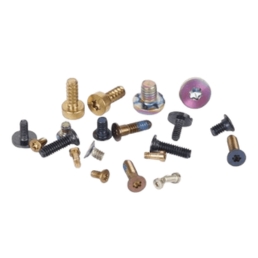
- Machine Threads: Uniform and precise, machine threads (e.g., M2, M3) are standard in electronics for their compatibility with pre-tapped holes. They ensure consistent tension and reduce the risk of cross-threading.
- Self-Tapping Threads: These screws create their own threads as they’re driven into softer materials like plastic or aluminum. While convenient, they require careful torque control to avoid over-tightening, which can strip threads or crack components.
Thread pitch—the distance between threads—also matters. A finer pitch (more threads per inch) provides stronger hold in soft materials, while a coarser pitch suits harder surfaces. Matching the thread type and pitch to the component material ensures a secure, damage-free fit.
4. Head Styles and Drive Types: Functionality and Accessibility:
Screw heads come in various shapes, each serving a specific purpose:
- Flat Head: Sits flush with the surface, ideal for aesthetic finishes or applications where protrusion is unacceptable.
- Pan Head: Offers a larger bearing surface, distributing pressure evenly—useful for fragile components like glass or thin plastics.
- Hex Head: Provides maximum torque application, making it suitable for high-stress areas like battery compartments or structural supports.
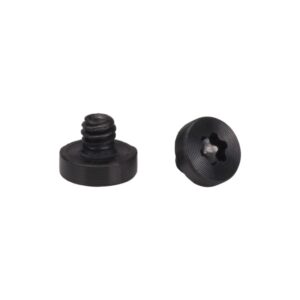
Drive types (e.g., Phillips, Torx, Allen) also influence selection. Phillips heads are common but can cam out under high torque. Torx drives, with their star-shaped design, reduce slippage and are preferred for precision assembly. Choose a drive type that balances ease of use with the torque requirements of the application.
5. Environmental Considerations: Temperature, Humidity, and Chemical Exposure:
Electronics often operate in harsh conditions, from freezing temperatures to humid environments. Screws must withstand these challenges without degrading:
- Temperature Resistance: High temperatures can weaken metal screws or warp plastic ones. For devices exposed to heat (e.g., automotive electronics), opt for materials like titanium or heat-stabilized plastics.
- Humidity and Corrosion: In humid climates, stainless steel or coated screws prevent rust, which could compromise electrical connections.
- Chemical Exposure: Devices used in laboratories or industrial settings may encounter solvents or acids. Screws made from chemically resistant materials like PEEK (polyether ether ketone) or anodized aluminum are essential.
6. Torque Requirements: Avoiding Over-Tightening and Under-Tightening:
Applying the correct torque is crucial. Over-tightening can strip threads, crack components, or deform materials, while under-tightening leads to loose connections and vibration. Manufacturers often specify torque values for critical components. Use calibrated tools, like torque screwdrivers, to apply precise force. For applications without specified values, start with low torque and gradually increase until the screw seats securely without resistance.
7. Regulatory Compliance and Industry Standards:
Electronics must adhere to safety and quality standards, such as RoHS (Restriction of Hazardous Substances) or IP (Ingress Protection) ratings. These regulations dictate material composition, corrosion resistance, and environmental sealing. For example, medical devices require biocompatible materials, while outdoor electronics need IP-rated screws to resist dust and water. Always verify that screws meet relevant standards to avoid legal or safety issues.
8. Conclusion: The Importance of Informed Selection:
Selecting precision screws for electronic devices is a nuanced process that demands attention to detail. By evaluating material properties, thread design, environmental factors, and regulatory requirements, manufacturers and engineers can ensure reliability, safety, and performance. Whether designing a cutting-edge gadget or repairing industrial equipment, the right screw choice is a small but mighty step toward success.
In a world where electronics are ubiquitous, the humble screw plays an outsized role. Investing time in selection upfront saves costs, reduces failures, and enhances user trust—proving that even the smallest components deserve precision and care.