Stainless steel screws are a staple in construction, automotive, and industrial projects, prized for their durability and resistance to corrosion. However, when applications involve constant vibration—such as machinery, vehicles, or outdoor structures—selecting the right screw becomes critical. Poor choices can lead to loosening, wear, or failure, compromising safety and functionality. This guide explores how to choose stainless steel screws engineered for vibration resistance, ensuring longevity and reliability.
Table of Contents
1. Understanding the Challenge of Vibration:
Vibration creates repetitive stress on screws, causing microscopic movements that gradually weaken the fastening. Over time, this can lead to loosening, thread damage, or even catastrophic failure. Unlike static loads, vibrations demand screws with specialized designs to maintain grip and withstand dynamic forces. Factors like amplitude, frequency, and environmental conditions (e.g., moisture, temperature) further complicate the selection process.
2. Material Matters: Why Stainless Steel?:
Stainless steel’s corrosion resistance makes it ideal for harsh environments, but not all grades perform equally under vibration. Austenitic grades like 304 or 316 offer excellent toughness and rust resistance, while martensitic or duplex grades may provide higher strength. The key is balancing hardness with ductility: overly brittle screws can fracture under stress, while too-soft metals may deform. For vibration-heavy applications, opt for grades with moderate hardness and fatigue resistance.
3. Thread Design: The Foundation of Stability:
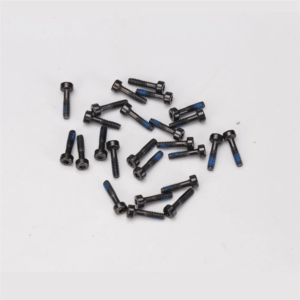
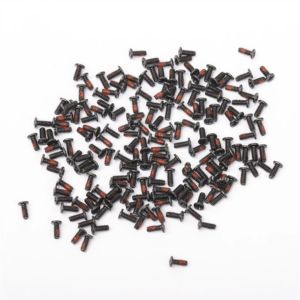
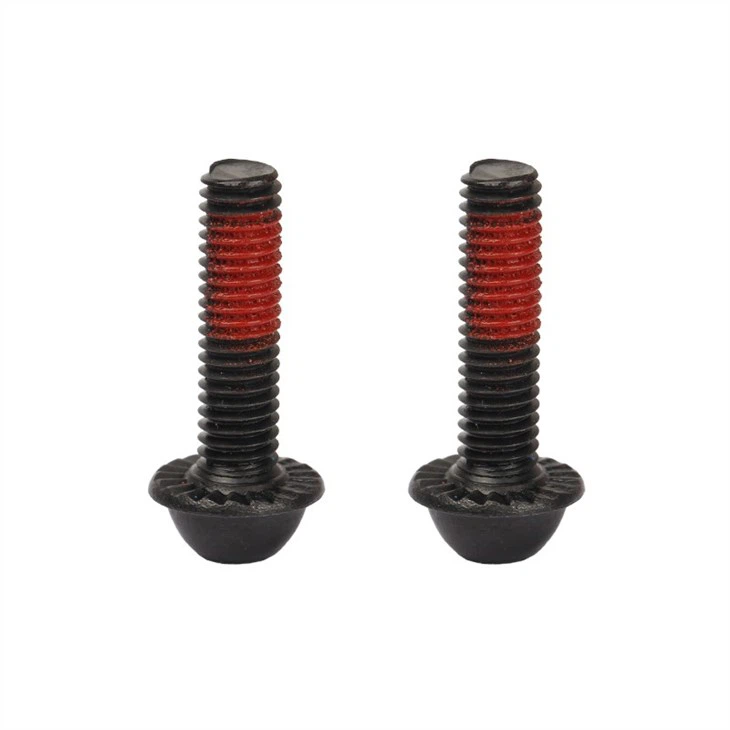
Thread geometry directly impacts a screw’s ability to resist vibration. Coarse threads distribute stress over fewer turns, making them suitable for softer materials, but fine threads offer greater precision and resistance to loosening in hard substrates. Additionally, self-locking threads—such as those with a slight pitch variation—create friction that counters vibration. Some screws incorporate nylon patches or deformable coatings in the threads, which “bite” into mating surfaces to prevent slippage.
4. Locking Mechanisms: Beyond Threads Alone:
While thread design is crucial, supplementary locking features enhance vibration resistance. Common options include:
Lock Washers: Spring or split washers add tension by compressing against the screw head and material.
Thread-Locking Adhesives: Chemical compounds like anaerobic adhesives harden between threads, creating a permanent bond.
Prevailing Torque Nuts: These nuts require higher torque to loosen, thanks to nylon inserts or distorted threads.
Locking Pins or Tab Washers: Mechanical pins or tabs prevent rotation by securing the screw head.
The choice depends on the application’s accessibility (e.g., whether disassembly is needed) and environmental factors like temperature, which can affect adhesives.
5. Head Style and Drive Type: Maximizing Grip:
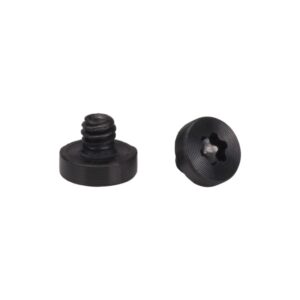
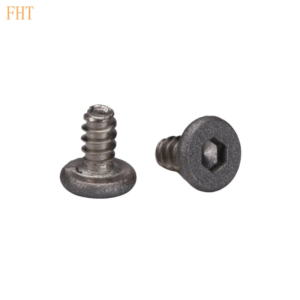
The screw head and drive type influence how well it stays seated under vibration. Hex heads distribute torque evenly and resist rounding, while socket heads (Allen/Torx) allow higher torque without slippage. Torx drives, in particular, minimize cam-out (tool slippage), reducing wear over time. For high-vibration zones, consider screws with undercut heads or serrated surfaces that embed into the material, creating a mechanical lock.
6. Environmental Considerations: Corrosion and Temperature:
Stainless steel’s performance can degrade in extreme conditions. Saltwater, chemicals, or high humidity may necessitate higher-grade alloys like 316. which resists pitting. Temperature fluctuations also matter: repeated heating and cooling can cause thermal expansion, loosening screws. In such cases, select screws with compatible thermal expansion coefficients to the mating material or use spring-loaded fasteners that accommodate movement.
7. Testing and Certification: Ensuring Reliability:
Before finalizing a choice, verify that screws meet industry standards for vibration resistance. Look for certifications like ASTM F1664 (which tests fasteners under dynamic loads) or ISO standards for automotive applications. Manufacturers often provide test data showing how long screws withstand specific vibration frequencies and amplitudes. If possible, conduct pilot tests in your application to observe performance over time.
8. Case Study: Screws in Automotive Manufacturing:
Consider a car engine assembly line where screws secure components exposed to constant engine vibrations. Engineers selected screws with fine threads, nylon-insert nuts, and Torx drives to balance ease of installation with long-term stability. The result? A 40% reduction in fastener-related failures over six months, demonstrating how thoughtful selection impacts real-world durability.
9. Conclusion: A Holistic Approach to Selection:
Choosing vibration-resistant stainless steel screws requires evaluating material grade, thread design, locking mechanisms, and environmental factors. No single feature guarantees success; instead, prioritize solutions that address your application’s unique stresses. By understanding the interplay of these elements, you can select fasteners that not only survive but thrive in dynamic conditions, ensuring safety and efficiency for years to come.