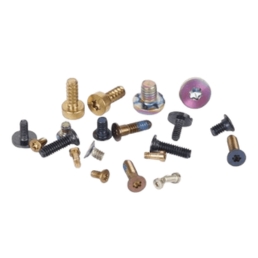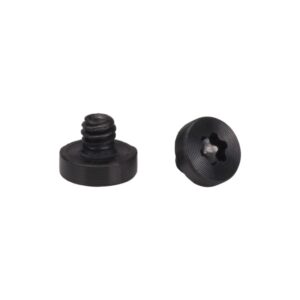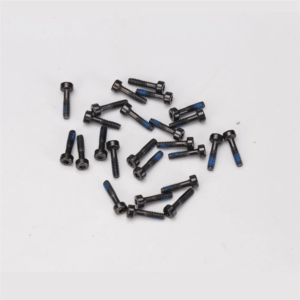
Precision screws are the unsung heroes of countless projects, from electronics assembly to furniture construction. Their role in ensuring stability, alignment, and durability often determines the success of a design. However, not all projects are created equal—standard screws rarely meet the unique demands of specialized applications. Customizing precision screws allows engineers, hobbyists, and builders to tailor components to exact specifications, optimizing performance and efficiency. This guide explores the process of designing and sourcing custom precision screws, covering key considerations, materials, manufacturing methods, and cost-saving strategies.
Table of Contents
1. Understanding Project Requirements:
The first step in customizing precision screws is defining the project’s needs. Start by asking critical questions: What environmental conditions will the screw endure? Will it face extreme temperatures, moisture, or chemical exposure? For example, a screw used in marine equipment must resist corrosion, while one in a high-vibration machine needs superior thread engagement.
Next, consider the screw’s mechanical role. Is it a fastener, a load-bearing component, or a positioning tool? The answer dictates dimensions like diameter, length, and thread pitch. A tiny screw for a smartphone hinge, for instance, requires tighter tolerances than a deck-building screw. Additionally, aesthetic factors—such as color or finish—may matter in consumer-facing products. By mapping out these requirements upfront, you avoid costly revisions later.
2. Selecting the Right Materials:
Material choice impacts a screw’s strength, weight, and longevity. Stainless steel is a popular option for its corrosion resistance, making it ideal for outdoor or medical applications. Titanium, though pricier, offers an unmatched strength-to-weight ratio, perfect for aerospace or portable devices. For projects where cost is a priority, carbon steel with a protective coating (like zinc plating) balances durability and affordability.
Non-metal materials also play a role. Nylon or plastic screws are lightweight and electrically insulating, suited for electronics or softwood assemblies. Ceramic screws, while brittle, excel in high-temperature environments where metals fail. The key is aligning material properties with the project’s functional and environmental demands.
3. Designing for Manufacturability:
Custom screws must be feasible to produce at scale. This involves understanding manufacturing limitations, such as minimum drill sizes for head recesses or maximum thread depths for certain materials. For instance, creating a screw with an ultra-thin shank might require specialized tooling, increasing lead times and costs.
Collaborating with a manufacturer early in the design phase can prevent headaches. Many suppliers offer design assistance, using software to simulate stresses or suggest alternative geometries. Simplifying features—like opting for a standard head shape instead of a custom one—can streamline production without sacrificing performance.
4. Choosing Manufacturing Methods:
The manufacturing process affects precision, cost, and surface finish. CNC machining is a go-to for low-to-medium volumes, offering high accuracy and flexibility. It’s ideal for prototypes or screws with complex shapes, such as those with internal threads or non-circular heads.
For high-volume projects, cold heading or thread rolling is more efficient. These methods form screws by reshaping metal wire under pressure, reducing waste and speeding up production. However, they’re less suited for intricate designs. Surface treatments like anodizing, passivation, or black oxide coating enhance durability or aesthetics but add to the timeline.
5. Tolerances and Quality Control:
Precision screws demand tight tolerances to function correctly. A screw that’s slightly too large won’t fit its hole, while one too small may strip threads. Defining acceptable tolerances—often measured in thousandths of an inch—requires balancing practicality with performance. Overly strict tolerances can inflate costs, as they demand more labor and inspection.
Quality control processes, such as statistical sampling or automated sorting, ensure consistency. Reputable manufacturers use gauges and sensors to verify dimensions at each stage of production. Asking for certification (like ISO 9001 compliance) provides assurance of adherence to industry standards.
6. Cost Optimization Strategies:
Custom screws don’t have to break the bank. Start by minimizing unique features; a standard thread pitch or head type reduces tooling expenses. Ordering in bulk lowers per-unit costs, though this requires storage space and upfront capital. For small batches, consider sharing tooling costs with other projects or using a manufacturer’s existing dies.
Another tactic is redesigning the assembly to use fewer screws. For example, integrating multiple components into a single part might eliminate the need for fasteners altogether. Alternatively, using a lower-cost material for non-critical screws (like plastic for internal components) can cut expenses without compromising quality.
7. Partnering with the Right Supplier:
Finding a reliable manufacturer is crucial. Look for suppliers with experience in your industry, as they’ll understand niche requirements (like FDA compliance for medical screws). Request samples to test fit and function before placing a large order. Transparent communication about timelines, revisions, and pricing prevents misunderstandings.
Online platforms and industry directories can help identify potential partners. Don’t overlook local suppliers, who may offer faster turnaround times and easier collaboration. Building a long-term relationship with a trusted manufacturer can lead to better pricing and priority service over time.
8. Conclusion:
Customizing precision screws is a blend of art and science, requiring careful planning and collaboration. By clarifying project needs, selecting appropriate materials, and partnering with skilled manufacturers, builders can create components that fit like a glove. Whether designing a cutting-edge gadget or repairing a vintage car, the right screw ensures everything stays securely—and precisely—in place. With attention to detail and a willingness to iterate, even complex customization projects can succeed on time and within budget.