News & Events

How to Choose the Right Thread Form for Stainless Steel Screws?

Gena Huang

10/17/2025

stainless steel screws
When it comes to assembling or constructing projects that require durability and corrosion resistance, stainless steel screws are a popular choice. However, selecting the right thread form for these screws is crucial to ensure structural integrity, ease of installation, and long-term performance. With various thread types available, each designed for specific applications, understanding their differences and advantages becomes essential. This guide explores the key factors to consider when choosing the appropriate thread form for stainless steel screws, helping users make informed decisions tailored to their needs.
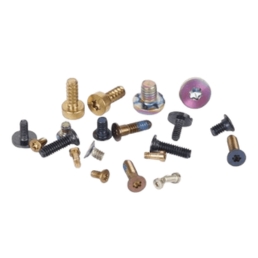
Table of Contents


1. Understanding Thread Basics: The Foundation of Secure Connections: 

Before diving into specific thread forms, it’s important to grasp the fundamentals. A screw’s thread consists of raised helical ridges that wrap around its shaft, designed to engage with a corresponding threaded hole or nut. The thread form refers to the cross-sectional shape of these ridges, which determines how the screw interacts with the material it’s fastened into. Key elements include thread pitch (distance between threads), angle (steepness of the thread face), and root (bottom of the thread groove). These factors collectively influence the screw’s holding power, resistance to stripping, and ease of insertion. For stainless steel screws, which are often used in demanding environments, choosing a thread form that complements the material’s properties is vital.

2. Unified Thread Standard (UTS): A Versatile Choice for General Applications: 

The Unified Thread Standard (UTS), commonly recognized by its “UN” designation, is widely adopted across North America for its versatility. This thread form features a 60-degree thread angle and a rounded root, which reduces stress concentrations and minimizes the risk of cracking in stainless steel. UTS threads are ideal for applications where moderate load-bearing capacity and corrosion resistance are required, such as outdoor furniture, marine hardware, or kitchen fixtures. Their compatibility with standard nuts and tapped holes simplifies sourcing replacement parts, making them a practical choice for DIY enthusiasts and professionals alike. When working with softer stainless steel grades, UTS threads provide a balance between strength and flexibility.

3. Metric Threads: Precision for International and Industrial Projects: 

For projects aligned with global standards or involving imported components, metric threads (designated as “M”) offer precision and consistency. Like UTS, metric threads have a 60-degree angle but differ in measurement units (millimeters instead of inches). This thread form is prevalent in automotive, aerospace, and engineering applications where tight tolerances are critical. Stainless steel screws with metric threads excel in high-stress environments, such as machinery assemblies or structural frameworks, due to their robust design and ability to distribute loads evenly. Additionally, metric threads are less prone to cross-threading, ensuring smoother installation—a significant advantage when working with delicate or expensive materials.

4. Coarse vs. Fine Threads: Striking the Right Balance: 

Thread coarseness refers to the number of threads per inch (or millimeter) and plays a pivotal role in performance. Coarse threads, with fewer threads per unit length, are easier to install quickly and are less likely to strip in soft materials like wood or plastic. They’re also better suited for applications involving frequent disassembly, as the wider spacing allows for easier cleaning and reinsertion. Conversely, fine threads offer greater tensile strength and resistance to vibration loosening, making them ideal for metal-to-metal connections or precision instruments. When selecting stainless steel screws for outdoor use, fine threads may provide superior resistance to environmental factors like salt spray or humidity by creating a tighter seal.

5. Self-Tapping Threads: Simplifying Installation in Pre-Drilled Holes: 

In scenarios where creating a threaded hole beforehand isn’t feasible, self-tapping threads offer a convenient solution. These screws feature a pointed tip and fluted edges that cut their own threads into the material as they’re driven in. While traditionally associated with sheet metal, self-tapping threads are also available for stainless steel, enabling quick repairs or modifications without specialized tools. They’re particularly useful for attaching components to thin stainless steel panels or enclosures, where traditional tapping methods might weaken the material. However, it’s essential to match the screw’s thread pitch to the material’s hardness to prevent over-tightening or damage.

6. Thread-Forming vs. Thread-Cutting: Choosing the Right Approach: 

Stainless steel screws can be categorized into thread-forming and thread-cutting types, each suited to different materials and applications. Thread-forming screws deform the surrounding material to create threads, relying on the material’s plasticity. This method works well with softer metals or plastics but may not be ideal for hardened stainless steel, where excessive force could lead to screw breakage. Thread-cutting screws, on the other hand, remove material to form threads, offering cleaner holes and better precision in harder substances. For stainless steel projects requiring high precision or reuse, thread-cutting screws are generally preferred, as they minimize wear on both the screw and the host material.

7. Environmental Considerations: Corrosion Resistance and Longevity: 

Stainless steel’s primary appeal lies in its resistance to rust and corrosion, but the thread form can further enhance this property. Threads with deeper grooves or sharper angles may trap moisture or debris, accelerating wear in harsh conditions. Opting for a thread design with smooth transitions and minimal crevices reduces the likelihood of corrosion buildup, extending the screw’s lifespan. Additionally, considering the operating environment—whether coastal (high salt exposure), industrial (chemical fumes), or humid (interior spaces)—helps narrow down thread options that offer optimal protection against specific corrosive agents.

8. Final Thoughts: Aligning Thread Form with Project Goals: 

Choosing the right thread form for stainless steel screws involves weighing factors like material compatibility, load requirements, installation ease, and environmental exposure. By understanding the nuances of each thread type—from UTS and metric standards to coarse/fine variations and self-tapping capabilities—users can select screws that deliver reliability and efficiency. Whether constructing a backyard deck, assembling industrial machinery, or repairing household appliances, investing time in thread selection pays dividends in performance and peace of mind. With stainless steel’s inherent durability and the right thread form, projects can withstand the test of time and elements alike.

Connect with Our Experts

Want to ensure the best screws solutions for your products?Contact us now for expert guidance and detailed product information!

The Author

Gena Huang

Hi, I’m Gena Wang, the Sales Manager at FHT.

I’m the expert in the industry, having been in the screw and fastener business for over 11 years.

We’ve actually been able to deliver over 5000 projects successfully. We have worked with more than 300 customers from over 35 countries around the world, including distributors, brand owners, and e-commerce sellers. Our products have helped them optimize their supply chains, enhance their brand presence, and grow their businesses.

In this article, I’m going to tell you how custom screws and fasteners can help you improve your product, differentiate your brand, and build a business that lasts.

Get a Quick Quote

Send us a message if you have any questions or request a quote. Our sales and technical team will respond soon. 

By submitting, I acknowledge Beatime’s Privacy Policy