In an era where technology evolves at breakneck speed, the demand for smaller, lighter, and more efficient devices has never been greater. From smartphones that fit comfortably in the palm of your hand to medical implants that navigate delicate human anatomy, product miniaturization is reshaping industries. But how do manufacturers achieve such feats of engineering? One often-overlooked hero in this story is the humble precision screw. These tiny components play a critical role in enabling compact designs without sacrificing durability or functionality. Let’s explore how precision screws drive innovation in miniaturization across multiple sectors.
Table of Contents
1. The Role of Precision in Miniature Engineering:
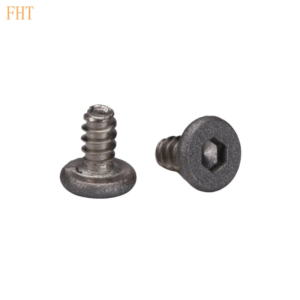
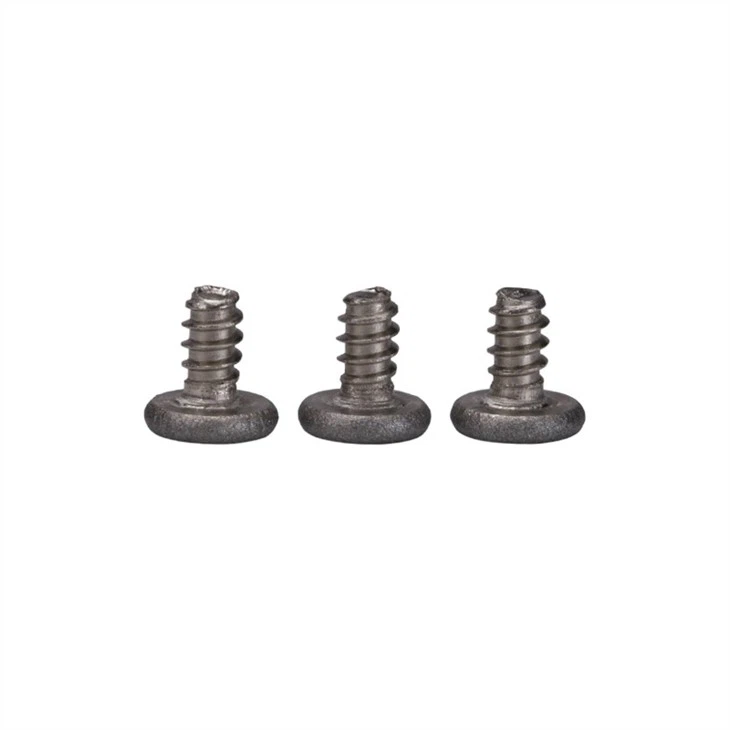
Precision screws are not your average fasteners. Unlike standard screws, which may tolerate slight variations in size or thread pitch, precision screws are manufactured to exacting tolerances. This means their dimensions—diameter, length, thread count, and even surface finish—are controlled within microscopic ranges. Why does this matter? In miniaturized products, every millimeter counts. A misaligned screw or a thread that’s slightly off can disrupt the assembly process, compromise structural integrity, or interfere with other components.
For example, consider a laptop hinge mechanism. A precision screw ensures the hinge operates smoothly, resists wear, and maintains its tightness over thousands of openings and closings. In a world where devices are shrinking, such reliability is non-negotiable. Precision screws act as the backbone of miniature assemblies, enabling engineers to design with confidence, knowing that even the smallest parts will perform as intended.
2. Enabling Complexity in Confined Spaces:
Miniaturization isn’t just about making things smaller—it’s about packing more functionality into less space. This requires innovative approaches to component placement and interconnection. Precision screws excel in this environment by allowing for dense, multi-layered assemblies. Their uniformity ensures they can be used in automated assembly lines, where robots rely on consistent part dimensions to place screws accurately at high speeds.
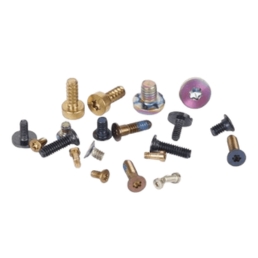
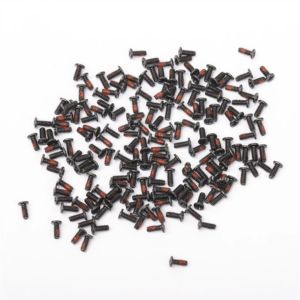
Take the example of a modern smartphone. Inside its slim casing, hundreds of tiny screws hold together circuit boards, cameras, and sensors. These screws must be small enough to fit between tightly packed components yet strong enough to withstand vibrations and impacts. Precision manufacturing ensures that each screw’s head shape, drive type (such as Torx or Phillips), and thread engagement are optimized for its specific role, preventing cross-threading or stripping—common issues in cramped spaces.
3. Material Innovations for Lightweight Durability:
As products shrink, their materials must evolve to meet new challenges. Traditional metals like steel, while strong, can add unnecessary weight. Precision screws are now often made from advanced materials such as titanium alloys, high-grade aluminum, or even engineered plastics. These materials offer the perfect balance of strength and lightness, critical for applications like aerospace or wearable technology.
For instance, a drone’s frame relies on lightweight precision screws to reduce energy consumption while maintaining rigidity during flight. Similarly, in medical devices like pacemakers, biocompatible materials ensure the screws won’t react with human tissue. By combining precision manufacturing with material science, engineers can create screws that are both microscopic and mighty, pushing the boundaries of what’s possible in miniaturization.
4. Customization for Unique Design Challenges:
No two miniaturized products are alike, and off-the-shelf screws rarely meet the exact needs of cutting-edge designs. This is where customization comes into play. Precision screw manufacturers offer tailored solutions, adjusting everything from head geometry to thread angle to suit specific applications.
A company designing a miniature robotic arm, for example, might require screws with non-standard threads to prevent loosening under repetitive motion. Another might need ultra-thin screws to secure glass layers in a foldable display without creating visible bulges. Customization ensures that even the most unconventional designs can be realized, fostering innovation in fields like robotics, augmented reality, and IoT devices.
5. Thermal and Electrical Considerations in Tight Quarters:
Miniaturized electronics generate significant heat, which can degrade performance if not managed properly. Precision screws can help by incorporating thermal management features. For example, screws made from copper alloys or coated with conductive materials can double as heat sinks, drawing heat away from sensitive components.
Electrical conductivity is another critical factor. In devices like hearing aids or smartwatches, screws must not interfere with electromagnetic signals. Non-conductive coatings or plastic screws can isolate circuits, preventing short circuits or signal loss. These specialized solutions highlight how precision screws address multifaceted challenges in compact designs.
6. Sustainability in Miniaturization:
As consumers and regulators prioritize eco-friendly practices, precision screws are also evolving to support sustainability. Manufacturers are adopting processes that reduce waste, such as additive manufacturing (3D printing) for low-volume production runs. This method minimizes material usage and allows for on-demand production, cutting down on excess inventory.
Additionally, precision screws are designed for longevity. Their durability reduces the need for replacements, extending product lifespans and lowering e-waste. Some screws even feature recyclable coatings or are made from biodegradable polymers, aligning with circular economy principles.
7. The Future of Precision Screws in Miniaturization:
The journey toward smaller, smarter devices is far from over. As technologies like nanotechnology and quantum computing advance, the demand for precision screws will only grow. Future innovations may include self-locking screws that eliminate the need for adhesives or screws with embedded sensors to monitor structural health in real time.
Moreover, advancements in AI-driven design tools will enable engineers to simulate screw performance under extreme conditions, optimizing designs before physical prototypes are even built. This synergy of precision manufacturing and digital technology will unlock new frontiers in miniaturization, from space exploration to implantable neurotechnology.
8. Conclusion:
Precision screws are the unsung heroes of product miniaturization, combining microscopic precision with macro-level impact. By enabling complex assemblies, leveraging advanced materials, and addressing thermal and electrical challenges, these tiny components empower engineers to dream bigger while building smaller. As industries continue to push the limits of what’s possible, precision screws will remain a cornerstone of innovation, proving that sometimes, the smallest things make the biggest difference.
Whether you’re marveling at the latest gadget or relying on life-saving medical technology, take a moment to appreciate the precision screws holding it all together—quietly, reliably, and often invisibly, shaping the future one tiny turn at a time.