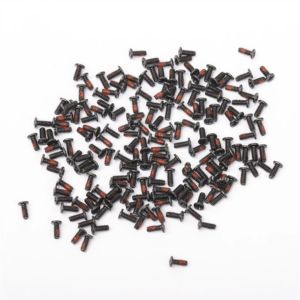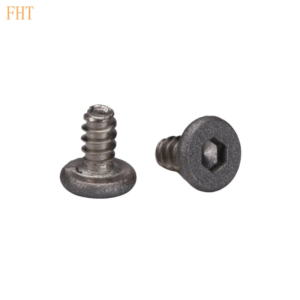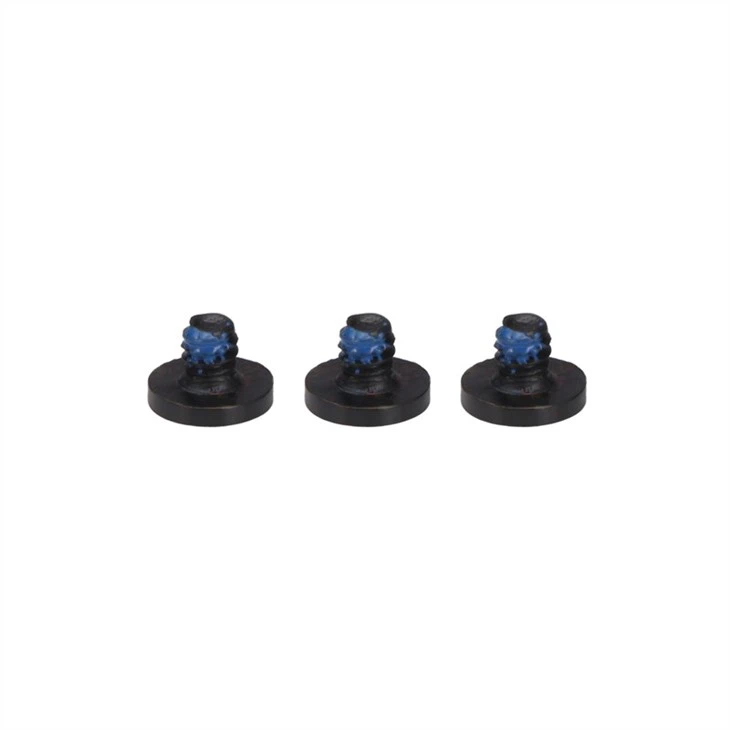
In the world of manufacturing and engineering, precision screws are unsung heroes. These small but mighty components play a critical role in ensuring machinery, electronics, and everyday devices function smoothly. Unlike standard screws, precision screws are engineered to meet exacting tolerances, making them indispensable in industries where accuracy and reliability are non-negotiable. This article explores what defines precision screws, their unique characteristics, and their core applications across various sectors.
Table of Contents
1. Defining Precision Screws: Beyond Ordinary Fasteners:
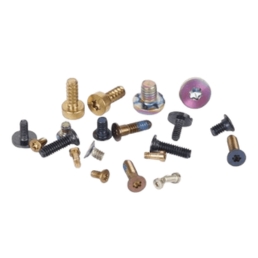
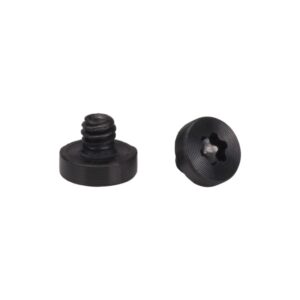
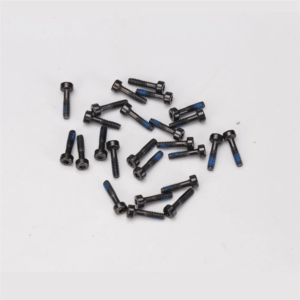
Precision screws are specialized fasteners designed to meet strict dimensional and performance standards. While a regular screw might tolerate slight variations in thread pitch or diameter, precision screws are manufactured with tolerances as tight as a fraction of a millimeter. This level of accuracy ensures they fit seamlessly into assemblies, reducing wear, minimizing vibrations, and maintaining consistent performance over time.
What sets precision screws apart is their production process. Advanced machining techniques, such as CNC (Computer Numerical Control) milling or grinding, are used to achieve their exact specifications. These methods allow for uniformity across large batches, a critical feature for industries like aerospace or medical devices, where even minor deviations can lead to catastrophic failures.
2. Key Characteristics of Precision Screws:
- Tight Tolerances: Precision screws adhere to industry-specific standards, such as ISO or ANSI, ensuring their dimensions remain consistent even under extreme conditions.
- Material Quality: They are often made from high-grade metals like stainless steel, titanium, or specialized alloys to resist corrosion, heat, and physical stress.
- Thread Precision: The threads are engineered to engage smoothly with nuts or threaded holes, reducing friction and preventing cross-threading.
- Surface Finish: Many precision screws undergo polishing or coating processes to enhance durability and aesthetic appeal, particularly in consumer electronics.
These traits make precision screws ideal for applications where standard fasteners would fail to deliver the required performance or longevity.
3. Applications in Electronics and Consumer Devices:
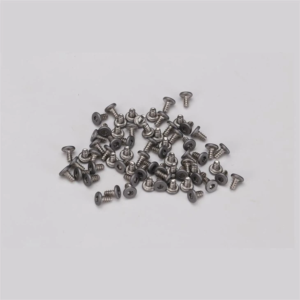
The electronics industry relies heavily on precision screws to assemble compact, high-performance devices. Smartphones, laptops, and wearable technology, for example, depend on these tiny components to secure delicate internal parts without adding bulk. The miniaturization trend in electronics has only increased the demand for precision screws, as manufacturers seek fasteners that can fit into increasingly smaller spaces while maintaining structural integrity.
In addition to size constraints, electronics often operate in environments where vibrations or temperature fluctuations could loosen standard screws. Precision screws, with their exact fit and high-quality materials, stay securely in place, ensuring devices function reliably over their lifespans.
4. Role in Aerospace and Defense Industries:
Aerospace and defense applications demand components that can withstand extreme conditions, from high altitudes to rapid temperature changes. Precision screws are integral to aircraft engines, satellite systems, and military equipment, where failure is not an option. Their ability to maintain stability under stress ensures that critical systems, such as navigation or propulsion, operate without interruption.
For instance, in aircraft assembly, precision screws are used to secure panels, sensors, and control mechanisms. Their lightweight yet durable design helps reduce overall weight, improving fuel efficiency without compromising safety. Similarly, in defense applications, these screws are trusted to hold together components exposed to harsh environments, such as desert heat or arctic cold.
5. Precision Screws in Medical Devices:
The medical field places a premium on precision, and screws used in surgical instruments or implants are no exception. Orthopedic implants, such as joint replacements or spinal fixation devices, rely on precision screws to anchor themselves securely to bone. These screws must be biocompatible, corrosion-resistant, and designed to distribute stress evenly to avoid damaging surrounding tissue.
Surgical tools, like robotic arms or endoscopes, also use precision screws to ensure smooth, controlled movement. The accuracy of these components directly impacts the success of minimally invasive procedures, where even a millimeter’s difference can affect outcomes.
6. Automotive Industry: Enhancing Performance and Safety:
Modern vehicles are marvels of engineering, with thousands of components working in harmony. Precision screws play a quiet but vital role in this ecosystem, securing everything from engine parts to infotainment systems. In electric vehicles (EVs), where efficiency is paramount, precision screws help reduce weight and improve battery placement, contributing to longer driving ranges.
Safety systems, such as airbags or anti-lock braking systems (ABS), also depend on precision screws to function correctly. These components must activate reliably under pressure, and any loosening or misalignment could compromise their effectiveness.
7. Future Trends: Innovation and Sustainability:
As industries evolve, so do the demands placed on precision screws. Advances in materials science are leading to the development of eco-friendly alternatives, such as biodegradable polymers or recycled metals, reducing the environmental impact of manufacturing. Additionally, 3D printing technologies are enabling the creation of custom-designed precision screws for niche applications, further expanding their versatility.
The rise of smart manufacturing, or Industry 4.0, is also influencing precision screw production. Automated quality control systems and AI-driven design tools are streamlining the manufacturing process, ensuring even higher levels of accuracy and consistency.
8. Conclusion: Small Components, Big Impact:
Precision screws may be small, but their role in modern technology and industry is immense. From keeping smartphones intact to ensuring aircraft safety, these components exemplify the importance of precision engineering. As industries continue to push the boundaries of innovation, the demand for high-quality, reliable fasteners will only grow. By understanding the unique properties and applications of precision screws, manufacturers and consumers alike can appreciate the intricate craftsmanship behind the devices they use every day.
In a world where performance and reliability are paramount, precision screws prove that sometimes, the smallest details make the biggest difference.