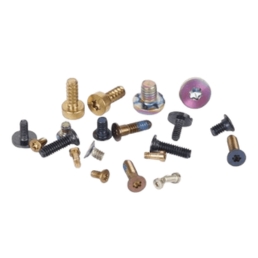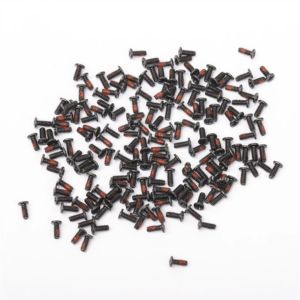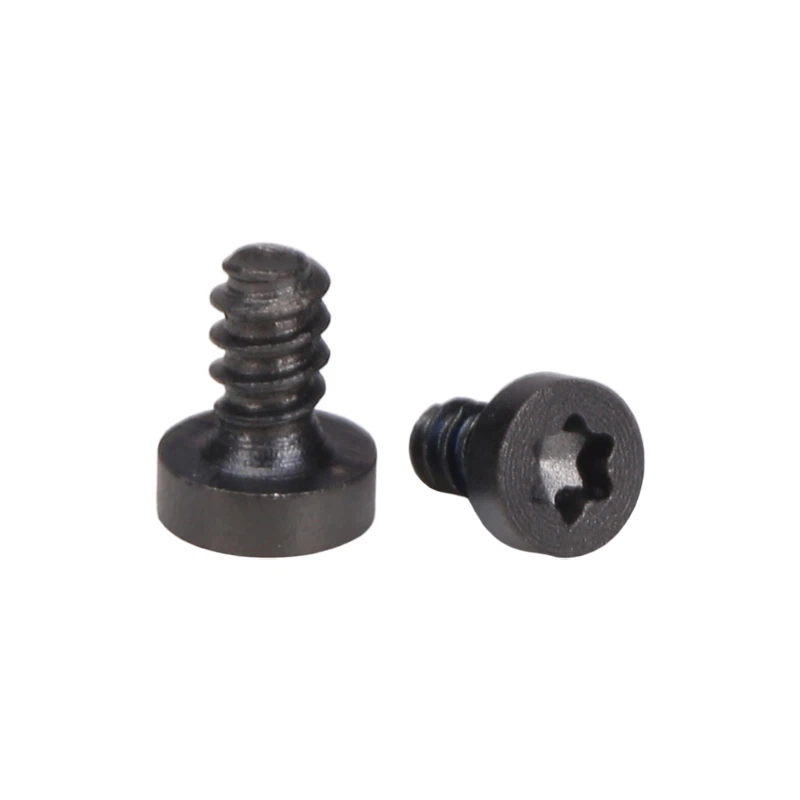
Precision screws are tiny yet mighty components that play a crucial role in a wide array of industries, from electronics and automotive to aerospace and medical devices. Their ability to hold parts together with high accuracy and reliability depends not only on their design but also on the materials they are made from. In this article, we’ll delve into the commonly used materials for precision screws, exploring their unique properties and the reasons behind their widespread adoption.
Table of Contents
1. Stainless Steel: The All-Rounder:
Stainless steel is one of the most popular choices for precision screws, and for good reason. This material is known for its excellent corrosion resistance, which makes it ideal for applications where exposure to moisture, chemicals, or harsh environments is a concern. Whether it’s in outdoor equipment, marine applications, or medical devices that need to withstand sterilization processes, stainless steel precision screws can hold up without rusting or degrading.
Another key advantage of stainless steel is its strength. It offers a high tensile strength, meaning it can withstand significant pulling forces without breaking. This property is essential in applications where the screw needs to maintain its integrity under stress, such as in automotive engines or aerospace components. Additionally, stainless steel is relatively easy to machine, allowing for the production of precision screws with tight tolerances and complex geometries.
2. Brass: The Conductor of Choice:
Brass, an alloy of copper and zinc, is another material commonly used for precision screws, especially in electrical and electronic applications. One of the most notable properties of brass is its excellent electrical conductivity. This makes it an ideal choice for screws used in electrical connectors, switches, and other components where a reliable electrical connection is crucial.
Brass also has good corrosion resistance, although not as high as stainless steel. However, in many indoor or dry environments, its corrosion resistance is more than sufficient. Moreover, brass has a pleasant golden appearance, which can be an aesthetic advantage in certain applications. It is also relatively soft and malleable, which makes it easier to machine and form into precise shapes. This property is beneficial when manufacturing precision screws with intricate threads or features.
3. Titanium: The Lightweight Powerhouse:
Titanium is a material that combines high strength with low weight, making it a favorite in industries where weight reduction is a critical factor, such as aerospace and sports equipment. Precision screws made from titanium are incredibly strong, yet they weigh significantly less than their steel counterparts. This reduction in weight can lead to improved fuel efficiency in aircraft and better performance in sports gear.
In addition to its strength-to-weight ratio, titanium also has excellent corrosion resistance. It forms a thin, protective oxide layer on its surface that prevents further corrosion, even in highly corrosive environments. This property makes titanium precision screws suitable for use in marine applications, chemical processing plants, and medical implants. Although titanium is more expensive than some other materials, its unique combination of properties justifies its use in high-performance applications.
4. Plastic: The Versatile Option:
Plastic precision screws are becoming increasingly popular in a variety of applications due to their versatility and cost-effectiveness. There are many different types of plastics used for screws, each with its own set of properties. For example, nylon is a common choice for plastic screws because it is strong, durable, and has good chemical resistance. It can withstand exposure to a wide range of chemicals without degrading, making it suitable for use in chemical storage containers and laboratory equipment.
Another advantage of plastic screws is their electrical insulation properties. Unlike metal screws, plastic screws do not conduct electricity, which makes them safe to use in electrical applications where there is a risk of short circuits. Plastic screws are also lightweight and easy to manufacture, which helps to keep costs down. They can be produced in a wide range of colors, which can be useful for identification purposes or for aesthetic reasons.
5. Aluminum: The Lightweight Alternative to Steel:
Aluminum is a lightweight metal that offers a good balance of strength and corrosion resistance. Precision screws made from aluminum are often used in applications where weight reduction is important, but the strength requirements are not as high as those for titanium. For example, in the automotive industry, aluminum screws can be used in non-critical components to reduce the overall weight of the vehicle, thereby improving fuel efficiency.
Aluminum also has good thermal conductivity, which can be an advantage in applications where heat dissipation is important. It can quickly transfer heat away from hot components, helping to prevent overheating and damage. Additionally, aluminum is relatively easy to machine and can be anodized to improve its corrosion resistance and give it a decorative finish.
6. Carbon Steel: The Budget-Friendly Option:
Carbon steel is a widely used material for precision screws, especially in applications where cost is a major consideration. It is an alloy of iron and carbon, and its properties can be adjusted by varying the carbon content. Low-carbon steel is soft and malleable, making it easy to machine, while high-carbon steel is stronger and harder.
Carbon steel precision screws are suitable for many general-purpose applications where high strength and corrosion resistance are not critical requirements. They are often used in construction, furniture assembly, and other areas where cost-effectiveness is more important than long-term durability in harsh environments. However, carbon steel is prone to rusting, so it may require a protective coating, such as zinc plating, to improve its corrosion resistance.
In conclusion, the choice of material for precision screws depends on a variety of factors, including the application’s requirements for strength, corrosion resistance, electrical conductivity, weight, and cost. By understanding the properties of different materials, manufacturers and engineers can select the most appropriate material for their specific needs, ensuring that the precision screws perform reliably and efficiently in their intended applications.