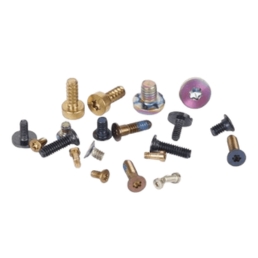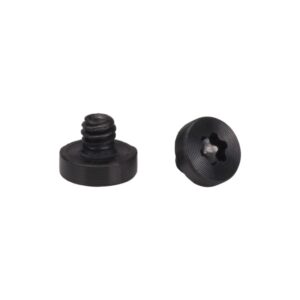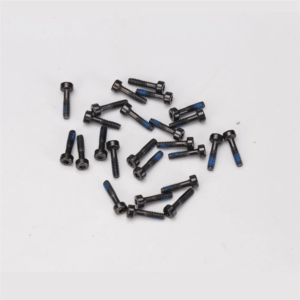
When it comes to precision engineering and manufacturing, every tiny detail matters. Precision screws, often the unsung heroes in a wide array of devices and structures, play a crucial role in ensuring stability, accuracy, and longevity. One of the key characteristics that define these screws is their thread pitch. Understanding the various thread pitch options available for precision screws is essential for engineers, designers, and hobbyists alike, as it can significantly impact the performance and suitability of a screw for a particular application.
Table of Contents
1. The Basics of Thread Pitch:
Before delving into the specifics of thread pitch options, it’s important to grasp what thread pitch actually means. In simple terms, thread pitch refers to the distance between adjacent threads on a screw. It is typically measured in millimeters or inches, depending on the measurement system used. A smaller thread pitch indicates a greater number of threads per unit length, resulting in a finer, more closely spaced thread pattern. Conversely, a larger thread pitch means fewer threads per unit length, with threads that are more widely spaced apart. This fundamental characteristic influences how a screw interacts with the material it’s being inserted into, affecting factors such as grip strength, ease of insertion, and resistance to loosening over time.
2. Fine Thread Pitches: Precision and Strength:
Fine thread pitches are characterized by their small distance between threads, offering several advantages in precision applications. One of the primary benefits is increased strength. Because the threads are more closely packed, they distribute the load more evenly across the screw’s length, reducing the risk of stripping or breaking under heavy loads. This makes fine-thread screws ideal for use in materials that are prone to cracking or splitting, such as certain types of plastics or thin metals. Additionally, fine threads provide a more secure fit, as the increased number of threads per inch creates more contact points between the screw and the material, enhancing grip and preventing loosening due to vibration or movement. This is particularly important in applications where stability is paramount, such as in aerospace or medical devices.
3. Coarse Thread Pitches: Speed and Versatility:
On the other end of the spectrum, coarse thread pitches offer a different set of advantages. With their wider spacing between threads, coarse-thread screws are easier and faster to insert, requiring less torque and reducing the risk of cross-threading. This makes them a popular choice for applications where speed and efficiency are important, such as in construction or automotive assembly. Coarse threads also tend to be more forgiving when it comes to material variations, as their larger thread profile can better accommodate irregularities in the material’s surface or composition. This versatility makes coarse-thread screws suitable for a wide range of materials, from soft woods to dense metals, without compromising on performance.
4. Metric vs. Imperial Thread Pitches:
Another important consideration when selecting a precision screw is whether to opt for metric or imperial thread pitches. Metric thread pitches are measured in millimeters and are widely used in countries that have adopted the metric system, such as those in Europe and Asia. They offer a standardized approach to screw sizing, making it easier to find compatible components and ensuring consistency across different manufacturers and applications. Imperial thread pitches, on the other hand, are measured in inches and are more commonly found in the United States and a few other countries that still use the imperial system. While both systems have their merits, choosing the right one depends largely on the specific requirements of the project and the availability of components. In some cases, it may be necessary to use adapters or conversion tools to ensure compatibility between metric and imperial components.
5. Custom Thread Pitches: Tailoring to Specific Needs:
For applications that demand an even higher level of precision or customization, custom thread pitches can be an excellent solution. These screws are designed with a specific thread pitch that is tailored to the unique requirements of the project, ensuring optimal performance and compatibility. Custom thread pitches can be particularly useful in situations where standard options are not sufficient, such as when working with specialized materials or when a specific level of grip strength or resistance to loosening is required. While custom thread pitches may come at a higher cost and require longer lead times, the benefits they offer in terms of performance and customization can often outweigh these drawbacks.
6. Selecting the Right Thread Pitch for Your Application:
Choosing the right thread pitch for a precision screw is a critical decision that can significantly impact the success of a project. To make an informed choice, it’s important to consider several factors, including the type of material being used, the load requirements of the application, the desired level of grip strength, and any environmental factors that may affect the screw’s performance. For example, if you’re working with a soft material like plastic, a fine thread pitch may be the best choice to prevent cracking or stripping. Conversely, if you’re assembling a large structure that requires speed and efficiency, a coarse thread pitch may be more appropriate. By carefully evaluating these factors and consulting with experts if necessary, you can ensure that you select the right thread pitch for your specific needs.
In conclusion, understanding the various thread pitch options available for precision screws is essential for anyone involved in engineering, design, or manufacturing. From fine threads that offer precision and strength to coarse threads that provide speed and versatility, there’s a thread pitch to suit every application. By considering factors such as material type, load requirements, and environmental conditions, you can make an informed decision that ensures optimal performance and longevity for your project.