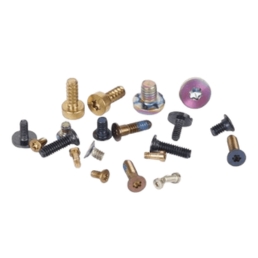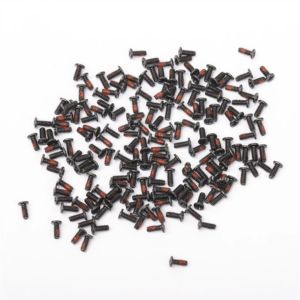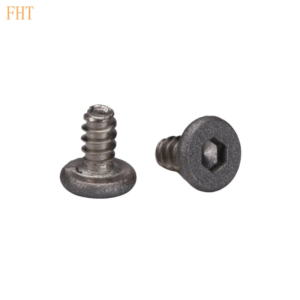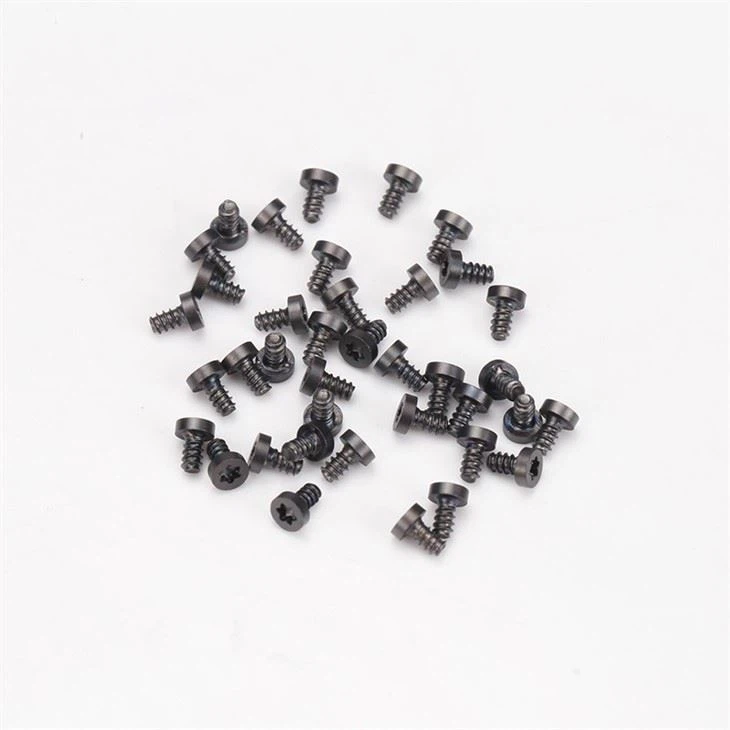
Precision screws are the unsung heroes of modern engineering, holding together everything from smartphones to spacecraft. Yet, their performance hinges not just on material or design but also on the coating applied to their surface. The right coating enhances durability, corrosion resistance, and functionality, while the wrong choice can lead to premature failure, increased friction, or environmental harm. For manufacturers, engineers, and DIY enthusiasts alike, selecting the optimal coating requires understanding the screw’s purpose, environmental conditions, and material compatibility. This guide breaks down the key factors to consider, ensuring your precision screws perform flawlessly in any application.
Table of Contents
1. Understanding the Role of Coatings:
Coatings are not mere decorative layers; they serve critical functional purposes. For precision screws, coatings reduce friction during assembly, prevent corrosion in harsh environments, and improve wear resistance under repetitive stress. Some coatings even provide electrical insulation or enhance aesthetic appeal. The choice depends on the screw’s intended use. For example, a screw used in a marine environment needs a waterproof coating, while one in a high-temperature setting requires heat resistance. Without the right coating, even the strongest screw can degrade quickly, compromising the entire assembly.
2. Assessing Environmental Conditions:
The environment dictates coating selection more than any other factor. Start by evaluating where the screw will operate:
- Humidity and Saltwater: Coastal or marine applications expose screws to salt and moisture, accelerating corrosion. Coatings like zinc flake or epoxy-based solutions create a barrier against rust.
- High Temperatures: Industrial machinery or automotive engines generate intense heat. Coatings with ceramic or silicone bases can withstand temperatures exceeding 500°F without breaking down.
- Chemical Exposure: Screws in laboratories or chemical plants may contact acids, solvents, or oils. PTFE (Teflon) coatings resist chemical erosion and reduce friction, making them ideal for such settings.
- UV Radiation: Outdoor applications, like solar panels or construction equipment, require UV-resistant coatings to prevent degradation from sunlight.
By matching the coating to the environment, you extend the screw’s lifespan and maintain its performance.
3. Material Compatibility: Not All Coatings Work with Every Screw:
The screw’s base material—steel, aluminum, brass, or plastic—influences coating adhesion and effectiveness. For instance:
- Steel Screws: Often paired with zinc plating or black oxide coatings for corrosion resistance.
- Aluminum Screws: Anodizing enhances their natural oxide layer, improving durability without adding bulk.
- Plastic Screws: Require coatings that bond to non-metallic surfaces, such as specialized polymers or UV-cured finishes.
Testing compatibility is crucial. A coating that works wonders on steel might flake off aluminum or melt plastic. Always consult material safety data sheets or work with a coating specialist to avoid mismatches.
4. Friction and Torque Requirements: Balancing Ease and Grip:
Precision screws often need to be tightened to exact specifications. Coatings affect torque, the force required to turn the screw, and friction, the resistance between mating surfaces.
- Low-Friction Coatings: Dry film lubricants or molybdenum disulfide coatings reduce torque, making assembly easier and preventing galling (metal-to-metal damage). These are common in aerospace or medical devices where smooth operation is critical.
- High-Friction Cotings: Some applications, like automotive safety systems, require screws to stay securely fastened. Coatings with added texture or adhesive properties increase friction, preventing loosening under vibration.
Striking the right balance ensures the screw performs as intended without over-tightening or coming loose.
5. Regulatory and Safety Considerations:
Coatings must comply with industry standards and safety regulations, especially in sensitive fields like healthcare or food processing. For example:
- Biocompatibility: Medical devices require coatings that won’t leach harmful chemicals into the body. FDA-approved finishes are mandatory.
- Food-Grade Standards: Screws used in kitchen appliances or packaging machinery need coatings that resist bacteria and won’t contaminate products. NSF International certifications are often required.
- Environmental Impact: Eco-conscious industries favor water-based coatings over solvent-based alternatives to reduce volatile organic compound (VOC) emissions.
Ignoring regulations can lead to product recalls, legal liabilities, or harm to end-users. Always verify compliance before finalizing a coating choice.
6. Cost vs. Longevity: Finding the Sweet Spot:
Budget constraints are inevitable, but skimping on coatings can backfire. A cheaper option might save money upfront but lead to higher maintenance costs or premature replacement. For example:
- Short-Term Savings: Basic zinc plating is affordable but may corrode in saltwater within months.
- Long-Term Investment: A pricier ceramic coating could last decades in the same environment, reducing lifecycle costs.
Evaluate the total cost of ownership, including installation, maintenance, and replacement, to make an informed decision.
7. Consulting Experts: When to Seek Professional Help:
Choosing a coating is rarely straightforward, especially for niche applications. Engineers, coating manufacturers, or third-party consultants can provide tailored advice based on:
- Custom Formulations: Some projects need unique coatings developed for specific challenges, like extreme pressure or radiation resistance.
- Testing Services: Accelerated aging tests simulate years of wear in weeks, helping predict coating performance under real-world conditions.
- Industry Insights: Experts stay updated on emerging technologies, such as nanocoatings that offer superior protection at microscopic scales.
Leveraging their expertise can save time, money, and headaches down the line.
8. Conclusion:
Selecting the right coating for precision screws is a multifaceted process that demands attention to detail. By considering environmental factors, material compatibility, friction needs, regulations, cost, and expert advice, you can ensure your screws perform reliably in any scenario. Whether you’re building a smartphone or a satellite, the right coating is the invisible force that keeps everything together—literally. Invest the time to get it right, and your precision screws will reward you with years of flawless service.