When it comes to construction, manufacturing, or even some DIY projects in the United States, selecting the right screws is crucial for ensuring the longevity and stability of structures. In alkaline environments, which are quite common in various industrial and household settings, choosing stainless steel screws that can withstand the corrosive effects is of utmost importance. Here’s a comprehensive guide on how to make the right selection.
Table of Contents
1. Understanding Alkaline Environments:
Before diving into the selection process, it’s essential to have a clear understanding of what an alkaline environment entails. Alkaline substances have a pH level greater than 7. In such settings, metals are prone to corrosion as the alkaline chemicals react with the metal surface, leading to degradation over time. Common alkaline environments include swimming pools, certain cleaning solutions, and some industrial processes where alkaline substances are used regularly. Recognizing the specific alkaline conditions in which the screws will be used is the first step in making an informed choice.
2. The Importance of Stainless Steel:
Stainless steel is a popular choice for screws in alkaline environments due to its excellent corrosion resistance. Unlike regular steel, stainless steel contains chromium, which forms a thin, invisible layer on the surface called a passive film. This film acts as a protective barrier, preventing the metal from reacting with the alkaline substances and thus reducing the risk of corrosion. However, not all stainless steels are created equal, and different grades offer varying levels of resistance to alkaline environments.
3. Identifying the Right Stainless Steel Grade:
There are several grades of stainless steel available, each with its unique properties. For alkaline environments, grades like 304 and 316 are commonly recommended. Grade 304 stainless steel is a general-purpose grade that offers good corrosion resistance in mild alkaline conditions. It’s suitable for many household and light industrial applications where the alkaline exposure is not extreme.
On the other hand, grade 316 stainless steel provides superior corrosion resistance, especially in more aggressive alkaline environments. It contains molybdenum, an element that enhances its ability to withstand harsh chemical conditions. If the screws will be exposed to highly alkaline solutions or will be in constant contact with alkaline substances, grade 316 is a better option.
4. Considering the Screw Design:
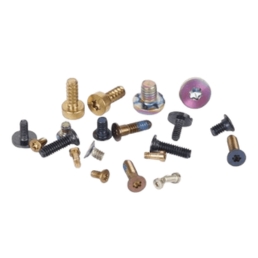
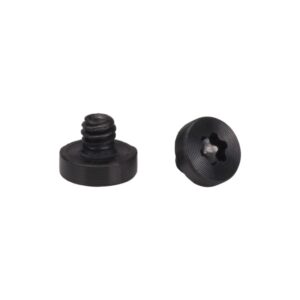
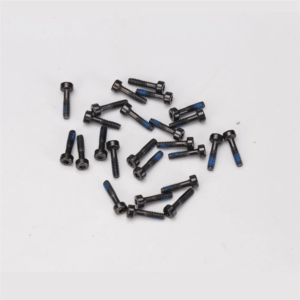
Apart from the material grade, the design of the screw also plays a significant role in its performance in alkaline environments. The thread design, head shape, and overall geometry of the screw can affect its ability to resist corrosion and maintain a secure hold.
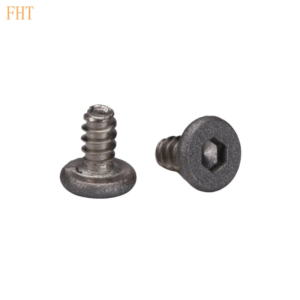
For example, screws with a coarse thread design may be more suitable for soft materials as they provide better grip. In alkaline environments where the material may be slightly compromised due to the chemical exposure, a coarse thread can help ensure a stable connection. Additionally, screws with a flat or countersunk head design can sit flush with the surface, reducing the chances of water or alkaline substances accumulating around the head and causing corrosion.
5. Evaluating the Surface Finish:
The surface finish of stainless steel screws can also impact their corrosion resistance. A polished or brushed finish can create a smoother surface that is less likely to trap dirt, debris, or alkaline substances. This reduces the surface area available for chemical reactions to occur, thereby enhancing the screw’s durability in alkaline environments.
In contrast, a rough or unfinished surface may provide more crevices and pockets where alkaline substances can accumulate, leading to faster corrosion. Therefore, when selecting stainless steel screws for alkaline applications, it’s advisable to choose those with a smooth, well-finished surface.
6. Checking for Certifications and Standards:
To ensure the quality and reliability of stainless steel screws, it’s important to check for relevant certifications and standards. In the United States, there are various industry standards that define the requirements for stainless steel products, including screws. Look for screws that comply with standards such as ASTM (American Society for Testing and Materials) or ANSI (American National Standards Institute).
These certifications indicate that the screws have undergone rigorous testing and meet specific quality criteria. By choosing certified screws, you can have greater confidence in their performance and longevity in alkaline environments.
7. Seeking Expert Advice:
If you’re unsure about which stainless steel screws to select for a particular alkaline application, don’t hesitate to seek expert advice. Consult with engineers, contractors, or suppliers who have experience in dealing with similar projects. They can provide valuable insights based on their practical knowledge and help you make an informed decision.
In conclusion, selecting the right stainless steel screws for alkaline environments requires a comprehensive understanding of the alkaline conditions, the properties of different stainless steel grades, screw design, surface finish, certifications, and expert advice. By taking these factors into account, you can ensure that the screws you choose will provide reliable performance and long-lasting durability in alkaline settings, contributing to the success and safety of your projects. Whether it’s for a simple household repair or a large-scale industrial construction, making the right screw selection is a crucial step that should not be overlooked.